Recent media headlines may have you rethinking your favorite diet drink or sugar-free gum, but is the hype legitimate? Is regular sugar any better for you? Let’s break it down…
What are artificial sweeteners?1-4
Artificial sweeteners, also known as non-nutritive sweeteners, are exactly what their name implies. They’re natural or synthetic molecules that offer a sweet taste but provide little to no nutritional energy (calories). For simplicity purposes, I’ll refer to them as “sweeteners” for this article. Below are a few well-known sweeteners that are unique in structure, function and taste, making some better for beverages and others better for foods and gum:
- Saccharin (Sweet’N Low) is an artificial sweetener that is about 300 times as sweet as sugar. Our bodies can’t digest its energy, so it dissolves in our bloodstream and is excreted in our urine.
- Aspartame (Equal) is an artificial sweetener that is about 200 times as sweet as sugar. It’s the combination of two amino acids, aspartic acid and phenylalanine, that are metabolized in the body. Therefore, aspartame does provide some calories, but because of its sweetness only a small dose is needed, making the calorie content quite negligible. As aspartame contains the amino acid phenylalanine, folks with a PKU (a rare disorder) should avoid it.
- Sucralose (Splenda) is an artificial sweetener that is about 600 times as sweet as sugar. Similar to saccharin, we can’t digest it and it’s flushed out with our urine.
- Stevia is a natural sweetener that comes from a plant and is about 300 times as sweet as sugar. We can’t metabolize it, so it’s considered calorie-free. Truvia is made from stevia but also contains erythritol and other natural flavors.
- Erythritol is a type of polyol (sugar alcohol) that’s actually less sweet than sugar (60-80% as sweet). It’s found naturally in foods like grapes, peaches and pears or commercially produced by fermentation. Our bodies also naturally produce a small amount of erythritol.
Potential benefits of artificial sweeteners
- Blood sugar control. Sweeteners can offer pleasant options for folks who have diabetes or need to monitor their blood sugar. While most don’t affect blood sugar at all, sugar alcohols (erythritol, xylitol, sorbitol) do contain carbohydrates and therefore may have a small effect, although much less than regular sugar. Research shows that sweeteners don’t have negative effects on our metabolism and generally act the same as water on postprandial (post-meal) blood sugar response.5
- Weight management. Sweeteners contain little to no calories. That by itself doesn’t really mean much, but when they swap out sugar-sweetened options you may see beneficial results on weight, particularly for adults and those with overweight or obesity.6 However, long-term benefits are still unclear.7 And remember, the diet soda at the movies sadly doesn’t negate the calories in the extra-large, extra-butter popcorn.
- Oral health. Sweeteners can help decrease intake of regular sugar, which can reduce the risk of cavities. Sugar alcohols can be particularly useful for dental health. They are often used in gums and toothpastes, and help keep our teeth clean by stimulating salivation, decreasing plaque and inhibiting cavity-causing bacteria like S. mutans.8,9 Diet soda, however, is still an acidic beverage and can erode enamel when consumed too often.
Concerns over artificial sweeteners
There always seems to be controversary over sweeteners in the news and media. Many times the catchy headline doesn’t necessarily tell the whole story, sometimes it’s straight up misleading. Most times, the truth (results from the study) fall somewhere in the middle but are lost in the nuances of science translation. A few concerns I often hear are related to cancer, chronic disease, gut health and changes in our appetite and taste preferences. Let’s discuss …
Do sweeteners cause cancer? At typical intakes, probably not.
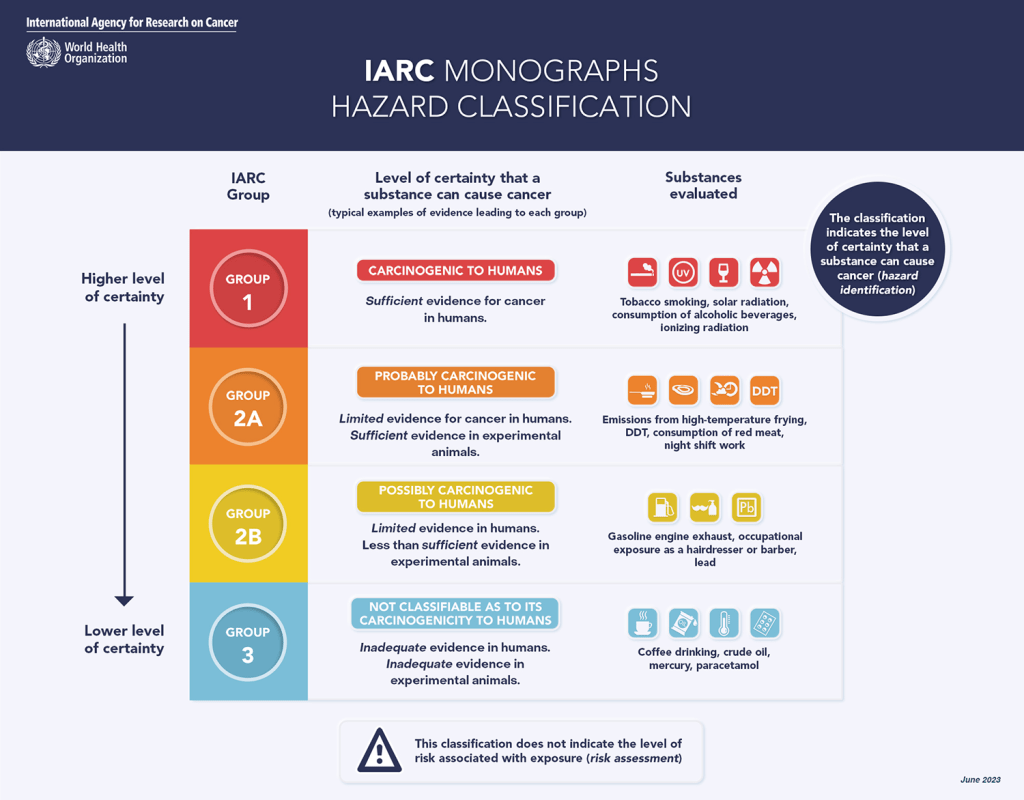
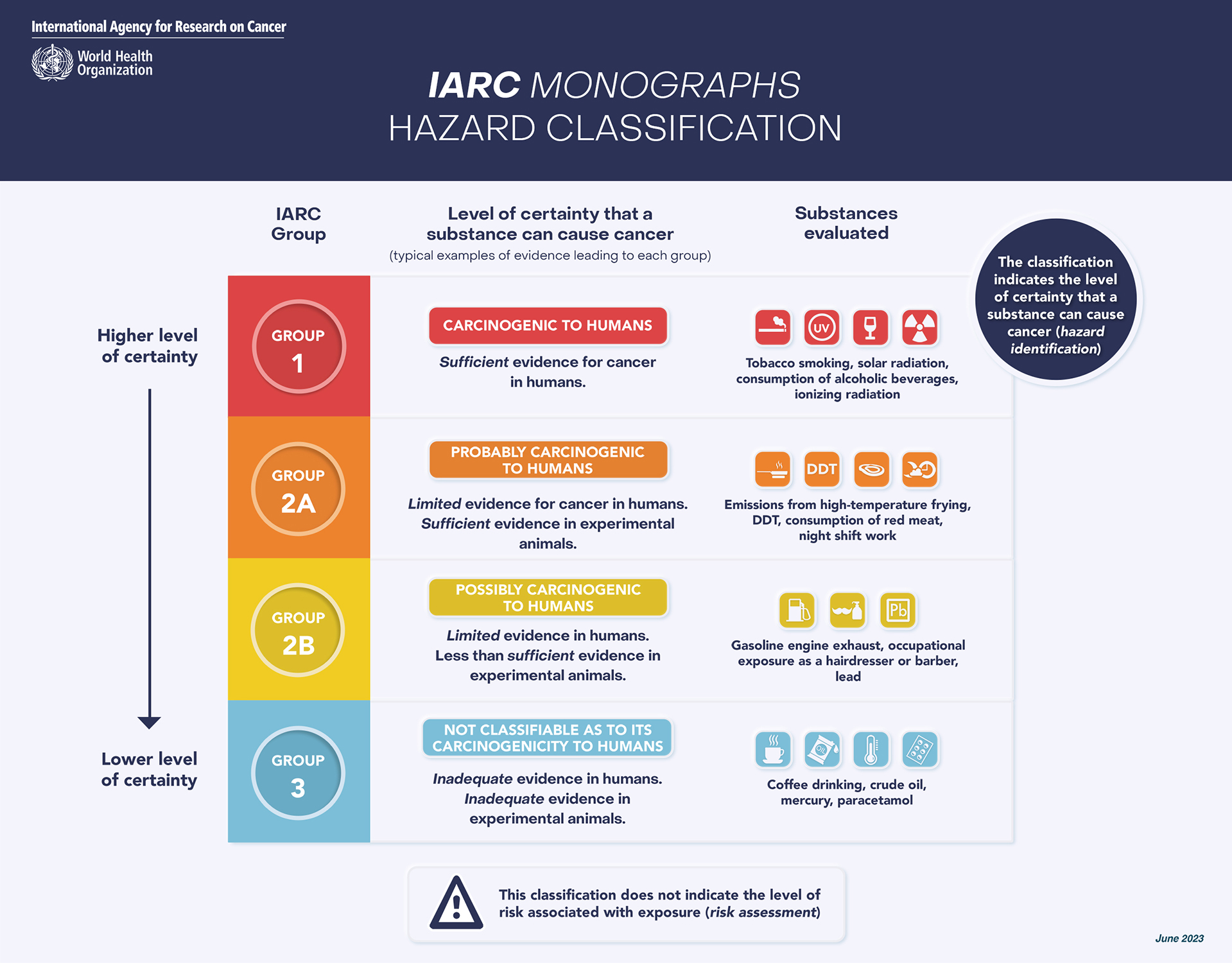
- Aspartame and cancer. There’s been a lot of headlines recently on aspartame and cancer. That’s because the WHO’s International Agency for Research on Cancer (IARC) recently identified it as “possibly carcinogenic” specifically as class 2B. Now this may sound scary, but let me ease your anxiety:
- Group 2B classification. This means there is “limited evidence in humans” and “less than sufficient evidence in experimental animals.” To put that in perspective, other things in this category include aloe vera, being a hairdresser or barber, and pickled vegetables.10,11
- Hazard vs Risk. The IARC uses “hazard” which is NOT the same as risk. Hazard simply means potential for harm. Risk takes into account probability from exposure/dose. For example, sharks are a hazard (potential for harm) and swimming with a shark is a risk (likelihood of harm).
- Risk. Cool cool, so what about the risk with aspartame? Well, the Joint FAO/WHO Expert Committee on Food Additives (JECFA), an organization that specifically evaluates the safety of food additives by performing rigorous risk assessments, looked into this. On July 14th they concluded there’s “no convincing evidence from experimental animal or human data that aspartame has adverse effects after ingestion … aspartame is fully hydrolysed in the gastrointestinal tract into metabolites that are identical to those absorbed after consumption of common foods.”
- ADI. The JECFA stood by the acceptable daily intake (ADI) of 40 mg/kg body weight (~9-14 cans a day for a 150 lb person). And even this level is conservative as it represents the amount we can consume every day throughout our entire life without an appreciable risk to health.
- FDA’s response. According to the FDA, aspartame is one of the most studied food additives in our food supply and just because the IARC labeled it as “possibly carcinogenic to humans” doesn’t mean that it’s actually linked to cancer.12,13
- Sucralose and cancer. In June, there were news stories about sucralose (Splenda) being genotoxic. Once again, news headlines are meant to grab your attention but often don’t tell the whole story. In this case, the hysteria began in response to an in-vitro (petri dish) study that looked at the effect of sucralose-6-acetate (which is not the same as sucralose or Splenda) on rat and human cells and found that very high doses led to markers of cell damage.14 As this epidemiologist explained, “you’d actually need at least 50,000 cans of soda to get to the levels of sucralose-6-acetate where there was just barely detectable damage to human cells.”
Are sweeteners linked to chronic disease? There could be associations, but we don’t know if it’s causal.
- Diabetes and cardiovascular disease. Observational studies (looking at cohorts of people over time) show there may be an association between sweetener use and cardiovascular disease and type 2 diabetes. However, it’s important to know this strength of evidence is “low” and “reverse causation” may be a factor as folks with chronic disease may be more likely turn to sweeteners to cut back on sugar or lose weight than healthy individuals.7
- Erythritol and heart health. In February, a study found that erythritol may be linked to blood clotting and cardiovascular events, and as you can guess media outlets ran wild with click-bait headlines.15 However, the study had a number of methodological limitations. For example, regarding cardiovascular outcomes, the study didn’t measure erythritol intake from food/beverages but from blood samples and remember, our bodies naturally make erythritol and those levels rise in response to oxidative stress.16 Regarding blood clotting potential, the high dose exposure as well as lack of clinical outcome assessment also highlight the study’s limitations. The science community responded to the hysteria with helpful videos that break it down like this one and this one.
Do sweeteners affect gut health? At this point, we don’t know but go easy on the sugar alcohols.
- Gut microbiome. There are some concerns about how sweeteners may alter our gut microbiota as we don’t metabolize them the same way we do with sugar. A 2023 review found that the available literature is mixed and too limited to draw any conclusions, but also highlight the complexity of the microbiome and that pinpointing the effect of single nutrients is challenging because gut flora is influenced by so many other factors (overall diet quality, stress, sleep, baseline and unique microbiota composition, etc.). More human trials and long-term studies are needed.17 While we still don’t have a definitive answer for sweeteners, we do know there’s more consistent evidence showing that too much regular sugar can increase the risk for altered gut composition, cardiometabolic conditions and low-grade inflammation.18-21
- Sugar alcohols and GI distress. While sugar alcohols may act as beneficial prebiotics in moderate amounts, too much can lead to annoying GI symptoms like gas, bloating and diarrhea.22 You may experience this if you chew a lot of sugar-free gum or eat too many sugar-free gummy bears. Tolerance can vary from person to person, but when you overdo it … you know.
Do sweeteners change our appetite or preference for sweets? Probably not.
- Eating behaviors. There is concern that sweetener use may affect our response to or preference for sweets. Most studies show that consuming sweeteners do not increase sweetness preference, affect appetite control or lead to adverse metabolic/hormonal effects.5,7,23 However, it’s probably a safe bet to be cautious for younger kids especially during early childhood when taste preferences are still developing (this goes for real sugar too).24 Furthermore, eating a well-rounded, balanced and nutritious diet that doesn’t overdo the sweets/sweeteners can help us be more intuitive eaters.
My thoughts
Are artificial sweeteners nutritious? No. I wouldn’t call them healthy or nutritious as they don’t offer beneficial nutrients or bioactives. Do they deserve the fearmongering headlines and accompanying shame? Absolutely not.
If only more time, energy and headlines went into issues that can have a greater impact on our health. For example, 90% of Americans don’t eat enough vegetables and dairy, 80% don’t eat enough fruit, 13.5 million U.S. households experience food insecurity and more than a quarter of American adults say they’re so stressed they can’t function.25-27 Looking back at the IARC classifications, perhaps issues around alcohol, tobacco, processed meat, air pollution, and sun exposure should receive more attention as they have a higher level of carcinogenic certainty.11 Kind of puts the tizzy on diet soda in perspective, huh?
Artificial sweeteners can be a true solution for folks who have diabetes, are trying to cut down on their added sugar intake or simply want to enjoy a diet drink without the calories – no shame in the game! While the foundation of a healthy diet consists of water and a variety of wholesome foods, there’s certainly room to enjoy the pleasure of foods and drinks that bring us joy and comfort because food is so much more than nutrition.
Whether you choose to consume sweeteners or not, I hope this article helps shine some light on understanding and appreciating the complexity of the science and how trending headlines can often be misleading. Now, the rest of us can enjoy an occasional diet soda in peace.
Cheers,
Megan
References
- Food Insight. Everything You Need to Know About Aspartame. December 2020.
- Ashwell M. Stevia, Nature’s Zero-Calorie Sustainable Sweetener: A New Player in the Fight Against Obesity. Nutr Today. 2015 May;50(3):129-134.
- Food Insight. What is Erythritol? March 2023.
- ACS. ChemMatters Magazine. The Skinny on Sweeteners. October 2011.
- Zhang, R.; Noronha, J.C.; Khan, T.A.; McGlynn, N.; Back, S.; Grant, S.M.; Kendall, C.W.C.; Sievenpiper, J.L. The Effect of Non-Nutritive Sweetened Beverages on Postprandial Glycemic and Endocrine Responses: A Systematic Review and Network Meta-Analysis. Nutrients 2023, 15, 1050.
- Laviada-Molina H, Molina-Segui F, Pérez-Gaxiola G, Cuello-García C, Arjona-Villicaña R, Espinosa-Marrón A, Martinez-Portilla RJ: Effects of nonnutritive sweeteners on body weight and BMI in diverse clinical contexts: Systematic review and meta-analysis. Obesity Reviews 2020, 21:e13020.
- WHO. Health effects of the use of non-sugar sweeteners: a systematic review and meta-analysis. April 2022.
- de Cock P, Mäkinen K, Honkala E, Saag M, Kennepohl E, Eapen A. Erythritol Is More Effective Than Xylitol and Sorbitol in Managing Oral Health Endpoints. Int J Dent. 2016;2016:9868421.
- Salli K, Lehtinen MJ, Tiihonen K, Ouwehand AC. Xylitol’s Health Benefits beyond Dental Health: A Comprehensive Review. Nutrients. 2019 Aug 6;11(8):1813.
- IARC. Monographs Hazard Classification. June 2023.
- IARC. Agents Classified by the IARC Monographs, Volumes 1–134. July 2023.
- FDA. Aspartame and Other Sweeteners in Food. July 2023.
- Borghoff SJ, Cohen SS, Jiang X, Lea IA, Klaren WD, Chappell GA, Britt JK, Rivera BN, Choski NY, Wikoff DS: Updated systematic assessment of human, animal and mechanistic evidence demonstrates lack of human carcinogenicity with consumption of aspartame. Food and Chemical Toxicology 2023, 172:113549.
- Schiffman SS, Scholl EH, Furey TS, Nagle HT: Toxicological and pharmacokinetic properties of sucralose-6-acetate and its parent sucralose: in vitro screening assays. Journal of Toxicology and Environmental Health, Part B 2023:1-35.
- Witkowski M, Nemet I, Alamri H, Wilcox J, Gupta N, Nimer N, Haghikia A, Li XS, Wu Y, Saha PP, et al: The artificial sweetener erythritol and cardiovascular event risk. Nature Medicine 2023, 29:710-718.
- Ortiz SR, Heinz A, Hiller K, Field MS. Erythritol synthesis is elevated in response to oxidative stress and regulated by the non-oxidative pentose phosphate pathway in A549 cells. Front Nutr. 2022 Oct 6;9:953056.
- del Pozo, S.; Gómez-Martínez, S.; Díaz, L.E.; Nova, E.; Urrialde, R.; Marcos, A. Potential Effects of Sucralose and Saccharin on Gut Microbiota: A Review. Nutrients 2022, 14, 1682.
- Thomas et al. Dietary Influences on Gut Microbiota with a Focus on Metabolic Syndrome. Metabolic Syndrome and Related Disorders 2022, 20:429-439.
- Di Rienzi SC, Britton RA: Adaptation of the Gut Microbiota to Modern Dietary Sugars and Sweeteners. Advances in Nutrition 2019, 11:616-629.
- Garcia, K.; Ferreira, G.; Reis, F.; Viana, S. Impact of Dietary Sugars on Gut Microbiota and Metabolic Health. Diabetology 2022, 3, 549-560.
- Alam YH, Kim R, Jang C. Metabolism and Health Impacts of Dietary Sugars. J Lipid Atheroscler. 2022 Jan;11(1):20-38.
- Lenhart A, Chey WD: A Systematic Review of the Effects of Polyols on Gastrointestinal Health and Irritable Bowel Syndrome. Advances in Nutrition 2017, 8:587-596.
- Wilk, K.; Korytek, W.; Pelczyńska, M.; Moszak, M.; Bogdański, P. The Effect of Artificial Sweeteners Use on Sweet Taste Perception and Weight Loss Efficacy: A Review. Nutrients 2022, 14, 1261.
- Yunker AG, Patel R, Page KA. Effects of Non-nutritive Sweeteners on Sweet Taste Processing and Neuroendocrine Regulation of Eating Behavior. Curr Nutr Rep. 2020 Sep;9(3):278-289.
- USDA and USDHHS. Dietary Guidelines for Americans, 2020-2025. 9th Edition.
- USDA ERS. Food Security of U.S. Households in 2021. 2022
- APA. More than a quarter of U.S. adults say they’re so stressed they can’t function. October 2022.
 Wellness by Megan
One thought on “Are Artificial Sweeteners Safe?”