The Not-So-Secret Key to Health and Vitality that Health Professionals Want You to Know About

Nearly every day I see a headline or social media post about a food, ingredient or chemical that’s supposedly the underlying cause of what’s “making us sick.” The story is typically sensationalized coming from misinterpreted data or an unqualified interpreter (see my post on Nutrition Misinformation).
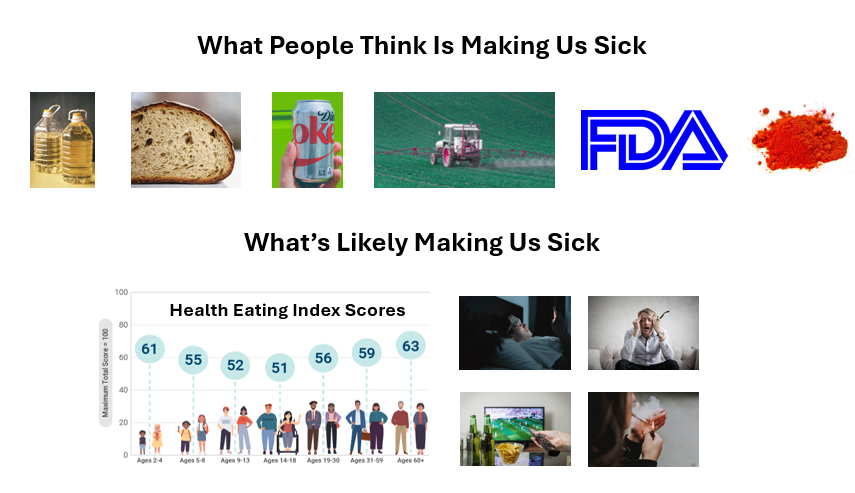
From seed oils to MSG, sugar substitutes to food dyes, GMOs to pesticides, and an unsafe and “poisonous” food system, it can feel validating to have a scapegoat for issues related to our health. But let me let you in on a little secret, the one clinicians and health authorities WANT you to know about …
… the secret to health is that there is no secret. It’s quite simple, it’s backed by years of science and it’s recommended by credible health organizations around the world. For the majority of us, health comes down to just a few habits (but please see my disclaimer on modifiable and non-modifiable health). Here are 5 ways we can truly “Make America Healthy Again”:
- Eat a mostly nutritious diet, within your calorie needs.
- Stay active.
- Get enough sleep.
- Don’t smoke and limit alcohol.
- Manage stress.
Extensive research shows that doing these 5 things will significantly improve your health more than cutting out a food group (unless you’re allergic), avoiding an ingredient, or eating an organic or GMO-free diet will ever do – phew! We can save our money and our sanity.
This article outlines some details and data for each topic, but here’s the TLDR …
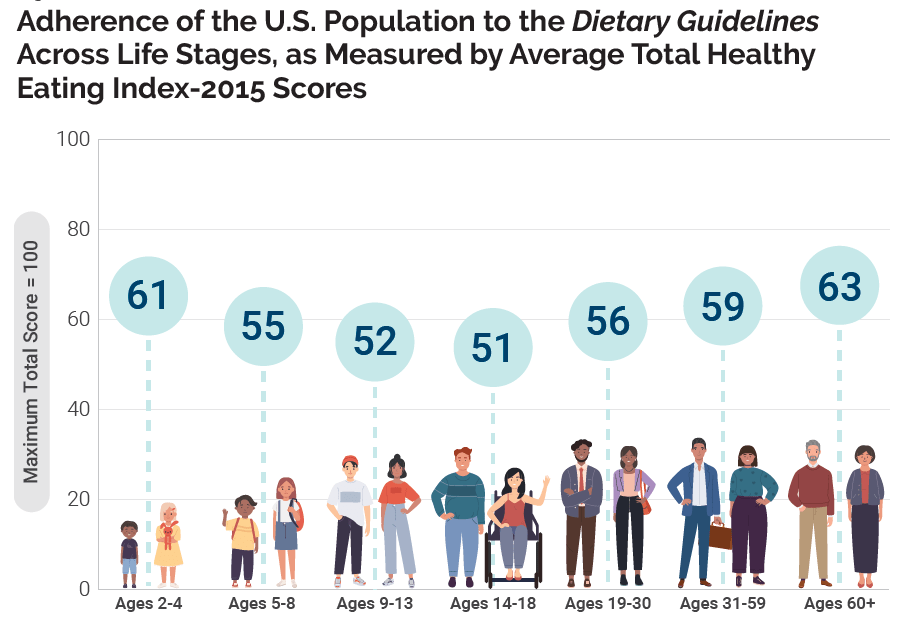
1. Eat a mostly nutritious diet, within your calorie needs.
- The average diet quality score of Americans over age 2 is 59.
- ~98% don’t meet recommendations for whole grains
- ~90% don’t meet recommendations for vegetables
- ~90% don’t meet recommendations for dairy
- ~80% don’t meet recommendations for fruit
- Majority of American adults exceed recommendations for added sugars, saturated fat and sodium.
- Over half of American calories (~55%) come from ultra-processed food. This is not inherently bad, but they are linked to a lower diet quality, eating more calories and higher risk of weight gain.
- U.S. Dietary Guidelines are often criticized (no, I’m not talking about the Food Pyramid that phased out in 2011 which people still like to reference for some reason – immediate red flag in my opinion), but here’s the kicker, if Americans simply followed U.S. guidelines there would be lower risk of all-cause mortality, cardiovascular disease, and cancer resulting in billions of dollars in healthcare savings.
2. Stay active
- The average sedentary time for Americans is 9.5 hours a day.
- Only 1 in 4 adults and 1 in 5 adolescents meet U.S. Physical Activity Guidelines.
- The average American spends over 7 hours a day looking at a screen.
- Staying physically active can improve nearly every facet of our health from head to toe: our brain, heart, bones, muscles, weight, as well as emotional health and quality of life. It also reduces the risk of falls, fractures, all-cause mortality and cancer.
- Aiming for the recommended 150 minutes of moderate to vigorous activity per week appears most protective, but any activity is better than none – especially for women.

3. Get enough sleep
- About 37% of U.S. adults don’t get the recommended amount of sleep (7 hours).
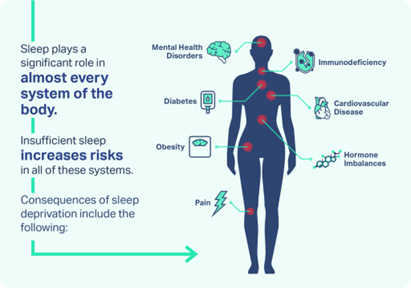
- Getting enough sleep is vital to our physical, mental and cognitive health.
- Adequate sleep (~7 hours) can reduce our risk of all-cause mortality and mortality from cardiovascular disease and cancer.
4. Don’t smoke and limit alcohol
- If you hear “X is the new cigarette,” unfollow this person immediately. Tobacco use is the leading preventable cause of death in the United States. Full stop.
- Nearly 1 in 5 Americans continue to use tobacco products.
- Smoking harms nearly every single organ system in the body, causing 1 of every 3 cancer deaths, 1 of every 5 deaths from cardiovascular disease and 8 in 10 cases of COPD.
- Nearly 1 in 4 Americans reported binge drinking in the last month (4+ drinks for women or 5+ drinks for men within about 2 hours) and 6.3% report heavy alcohol use.
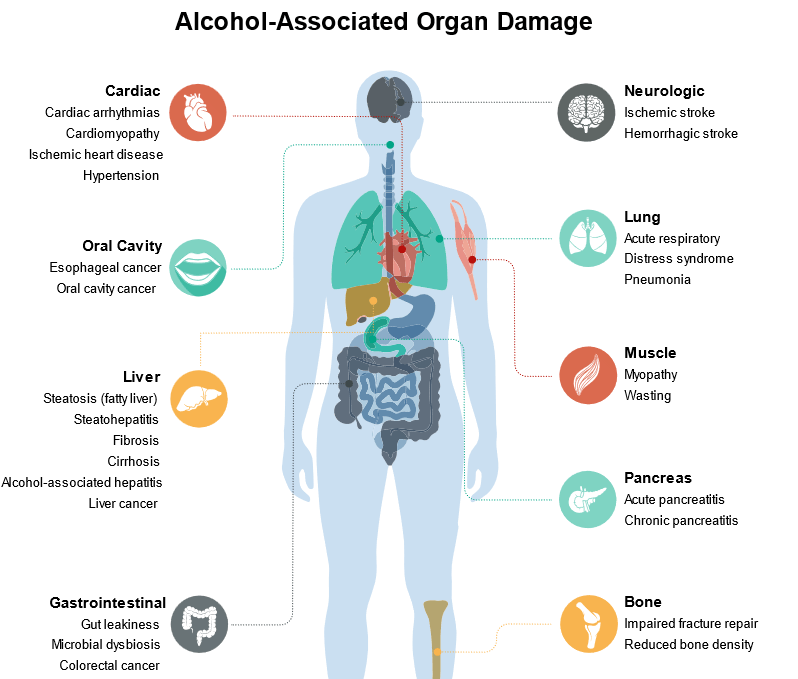
- Excessive alcohol intake can harm nearly every system of our body including our brain, heart, immune system, liver and pancreas, and there’s strong evidence that it increases the risk for several types of cancer.
- Cutting back, even to mild or moderate intake for previous heavy drinkers, can have substantial health benefits. It’s never too late and mocktails are very trendy these days.
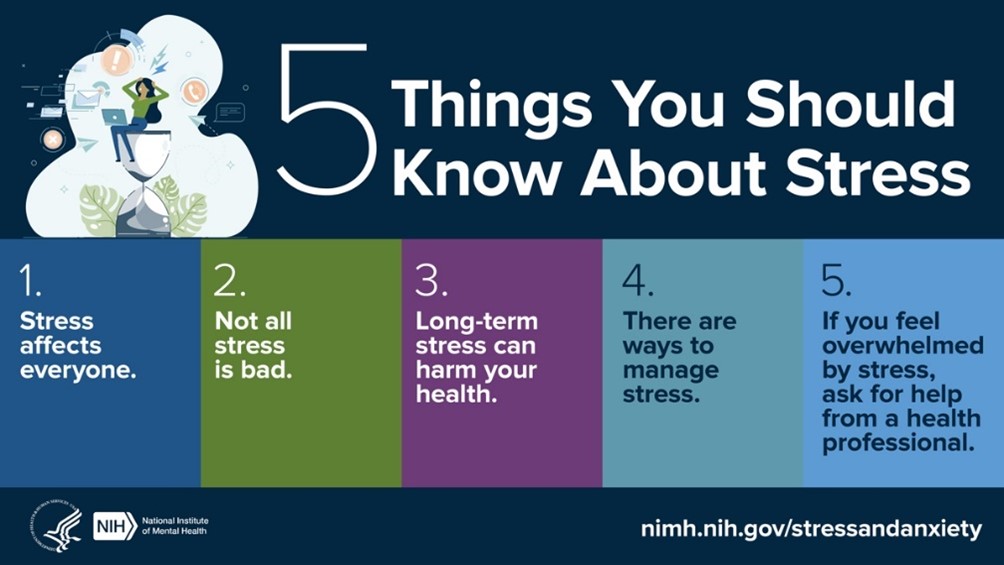
5. Manage stress
- 12.5% of American adults regularly feel anxious, worried or nervous.
- 27% of American adults feel so stressed they cannot even function.
- Chronic stress not only affects our mental and emotional health but can negatively impact our physical health too.
- Implementing techniques on mindfulness and stress reduction, as well as improving our lifestyle behaviors (diet, activity, sleep, connection), can benefit our holistic health considerably.
- Disclaimer – while many folks can benefit from lifestyle changes to improve anxiety and stress, many may also require professional attention and medication. There is nothing wrong with this and unfollow anyone who says otherwise.
Conclusion
It can be challenging to sift through the noise of clickbait headlines or passionate influencers but remember that these voices are often the loudest and they do come and go. Sound public health advice may evolve with advancing research, but the basic and boring foundations don’t change too much over time. There is no secret, there is no conspiracy theory, there is no poisoning. If majority of Americans improved habits around diet, exercise, sleep, substance use and mental health we would be much healthier. America’s health professionals and organizations want you to be healthy and truly dedicate their lives to do just that.
So, cheers to the clinicians, researchers, scientists and public health workers and communicators out there doing the good work to improve our health every day.
Disclaimer
Many healthy lifestyle behaviors are modifiable, but many are not. I would be remiss if I did not identify this notion. Non-modifiable factors include genetics, age, race/ethnicity and social determinants of health which contribute to widespread health inequities and disparities. Just to appreciate the complexity of health, check out “Map 5: The Full Obesity System Map” (figure 5.2) on this Tackling Obesity report. While there’s still a lot of work to be done, there are investments and efforts underway to make health more equitable for all.
Cheers,
~Megan
 Wellness by Megan