5 Public Health Success Stories Being Turned Upside Down by Modern Misinformation

I just read Siddhartha Mukherjee’s The Song of the Cell and I can’t help but feel inspired and in awe of how far we’ve come in medical science. From the discovery of the cell to germ theory, from in vitro fertilization to T-cell therapy for cancer, it’s a beautiful story of dedication, innovation and brilliance in human medicine. And then … I see a viral TikTok video of a pregnant woman promoting raw milk for health benefits.
Misinformation is taking a toll on public health, science literacy and trust in health officials. In fact, a recent Pew Research survey found over a quarter (27%) of Americans say they have little to no confidence that scientists act in the public’s best interest.
Scientists like Edward Jenner, Louis Pasteur, Frederick McKay, Herbert Boyer, Stanley Cohen and Lucy Wills must be rolling in their graves right now as their legacies are being turned upside down all in the name of “wellness.” Don’t know who these folks are? Their work has helped protect us from things like infectious disease, foodborne illness, tooth decay, diabetes, malnutrition and birth defects.
Let’s walk through these public health achievements, their impact on our lives and how misinformation is taking us a step backwards in the wrong direction.
A fool can throw a stone in a pond that 100 wise men cannot get out.
Saul Bellow
(1) Vaccines
History1-3
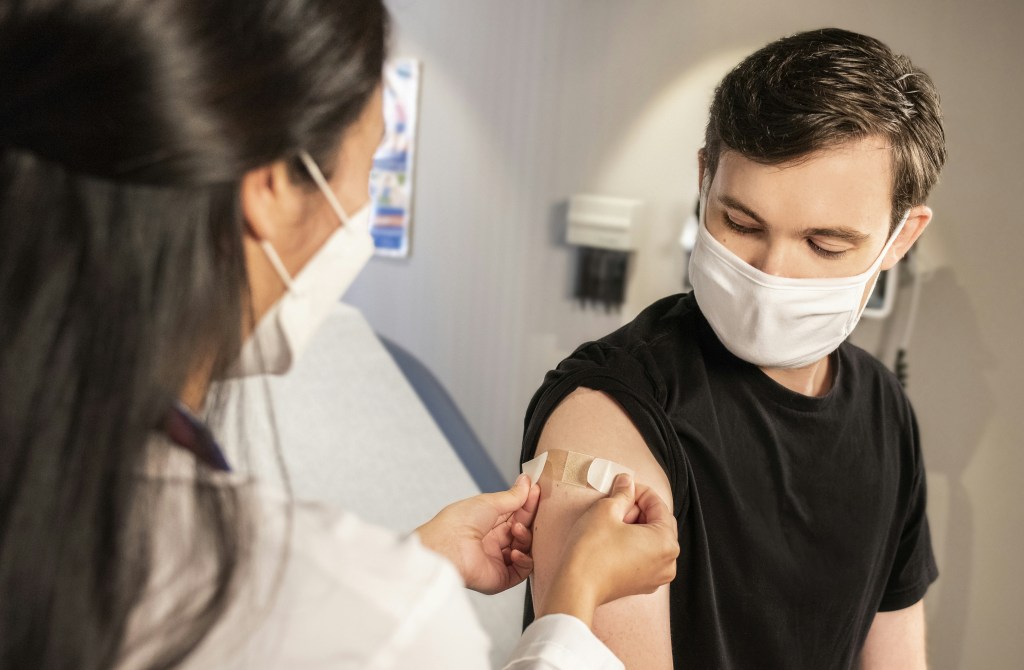
While the concept of immunity through inoculation stems far back and across multiple cultures, Edward Jenner is coined as the Father of Vaccination. In 1796, the English doctor found that exposure to cowpox improved immunity to smallpox. His work changed the trajectory of infectious disease prevention and smallpox was declared eradicated in 1980. Years followed and more vaccines were developed for viruses like the flu (1933), poliovirus (1953), measles (1963) and COVID-19 (2021). These vaccines have saved millions of lives, contributed to herd immunity and increased our life expectancy.
Modern Day Misinformation
Fast forward to the year 2024 and we have prominent figures, social media influencers and even presidential candidates spreading misinformation. Let’s address a few common ones below.
- Autism:4,5 This myth stems from one small study of 12 children in 1998 that suggested a link between the Measles, Mumps, Rubella (MMR) vaccine and autism. The study was poorly done, grossly misinterpreted, quickly refuted and eventually retracted from the journal. But the damage was done. The results sparked scary headlines and led to years of vaccine hesitancy from parents. In 2015, a large JAMA study (>95K kids) confirmed there’s no link between MMR and autism. Fast forward to 2024 and measles outbreaks are raising alarms from the AAP and CDC. As a parent this is both frightening and infuriating.
- Cancer: There is no established link between vaccines and cancer. In fact, research suggests that decreased infections through vaccination can reduce the risk for certain cancers like liver cancer, cervical cancer, and childhood leukemia.
- Heart complications:6,7 There have been reports of myocarditis (inflammation of the heart muscle) and pericarditis (inflammation of tissue around the heart) that may occur as a result of the COVID-19 vaccine. The good news is that a lot of time, money and research goes into healthcare data collection and vaccine adverse event reporting. Studies exploring this link have consistently shown that the risk of myocarditis is far higher and more serious following COVID-19 infection than vaccination. A CDC report found the risk of heart complications was 2-6x higher in teenage boys and 7-8x higher in young men after infection compared to after vaccination. An AHA study of nearly 43 million people found that those who were infected with COVID-19 and unvaccinated were 11x more at risk for myocarditis, but the risk was cut in half for infected people who had at least one dose of the vaccine.
- Infertility:8,9 In 2021, nearly a third of US adults surveyed believed or weren’t sure if COVID-19 vaccines caused infertility. There is no evidence or even a plausible mechanism to support this belief. Strong medical consensus and research have concluded vaccines don’t affect fertility. In fact, infection from viruses like COVID-19 can temporarily hurt male fertility and can also increase risk of complications to pregnant people and their babies.
[May 2024 Update] While side effects are rare, just like any medication, they do happen and should be acknowledged, supported and researched. In probably the most rigorous review yet, the National Academies of Science, Engineering and Medicine (independent, non-profit) published their 314-page consensus report with a comprehensive analysis and breakdown of the evidence on the safety and risks of different COVD-19 vaccines, including heart, blood, fertility, hearing and nerve complications.
The Consequences10-12
- Measles: Measles was declared eradicated in the U.S. in 2000, however cases are rising and alarming public health officials. Declining vaccination rates may bring us back below threshold levels required for herd immunity, putting young children at risk for severe illness.
“We’re not just seeing [measles] cases, we’re seeing transmission, which means vaccine levels aren’t what we’d like them to be.”
Saskia Popescu, PBS, 2024
- COVID-19: Covid-19 vaccine misinformation directly contributed to vaccine hesitancy, hindered progress for herd immunity, and sadly resulted in hundreds of thousands of unnecessary deaths. An analysis by Brown University showed that for the >641,000 people who died after vaccines were available, about half of those deaths could have been averted if every eligible adult was vaccinated (see figure below). It’s devastating.

[July 2025 Update] A recent study published in JAMA explored the the global impact of COVID-19 vaccinations on deaths during the 2020-2024 period and found that the vaccine prevented more than 2.5 million deaths.
Bottom line: Vaccines are rigorously studied, and research shows there is much greater risk from viral infection than vaccination. Vaccination supports public health by preserving herd immunity to protect vulnerable populations. Misinformation leads to vaccine hesitancy, unnecessary illness and death, and the potential return of eradicated viruses.
(2) Pasteurization

History13-15
In 1865, French chemist Louis Pasteur proposed the process of heat treatment to destroy microbes and prevent spoilage in wine – a technique now known as pasteurization. Not too long after, in 1886, German chemist Franz von Soxhle began heating bottled milk. By 1910, the public health advantages became so obvious that pasteurization was implemented throughout the U.S. As a result, the infant mortality rate significantly decreased from milkborne diseases like tuberculosis, brucellosis, diphtheria and “summer diarrhea.” In 1938, dairy foods were responsible for about 25% of all disease outbreaks from infected foods and contaminated water while recent data show that they are now linked to less than 1% of outbreaks.
Modern Day Misinformation
Unfortunately, raw milk is making its way back into our grocery stores and our E.coli outbreaks. Common claims for raw unpasteurized milk include purity, nutritional superiority and immunity benefits. Let’s quickly break down each of these.
- “Purity” – pasteurization doesn’t use chemicals or additives. It’s simply heating milk to a temperature that destroys pathogenic (bad) bacteria, extends shelf life and significantly reduces the risk of foodborne illness.
- “Nutrition” – pasteurization does not negatively affect the nutritional profile. Here’s what heating does do… it affects lipase enzymes (which break down fat) – this is a good thing because fat degradation leads to rancid off-flavors (and our bodies have enough lipase enzymes to do it ourselves). Heating also reduces vitamin C, but milk isn’t a good source of vitamin C anyways. Contrary to some claims, heating does not affect lactose content and raw milk doesn’t improve lactose tolerance (just stick with the tried and true lactose-free milk). This 2014 review concluded nutritional differences between raw and pasteurized milk were negligible, with the only considerable difference being its sensory profile.
- “Immunity Benefits” – based on the totality of evidence, the risk of raw milk far outweighs any potential mechanisms for benefits. Pathogenic bacteria are not the same as probiotic bacteria found in fermented dairy like yogurt and kefir. These bacteria are not natural, but the result of contamination from the environment (e.g., cow utters, feces, skin/mastitis, hay – yuck!) According to a 2017 study unpasteurized milk (consumed by only 3.2% of the population) and cheese (consumed by only 1.6% of the population) caused 96% of illnesses caused by contaminated dairy foods. There’s a reason why the AAP has a policy statement against consumption of raw milk for pregnant women and children. Just stick with plain pasteurized milk which is a nutritious source of immune-supporting protein, zinc, selenium and vitamins D, A, and B12.
The Consequences16
Reported outbreaks related to raw milk and raw milk products have involved miscarriages, still births, kidney failure and deaths. Unfortunately, many advocates against raw milk are parents who live with the regret of the consequences. Retail of raw milk varies by state, but outbreaks still occur, like this recent February E.coli outbreak linked to raw cheddar cheese that affected 4 states.
[May 2024 Update] Now more than ever is a time to thank pasteurization for keeping our milk supply safe from the Highly Pathogenic Avian Influenza (aka HPAI, aka bird flu). Testing shows that pasteurization effectively inactivates the virus. Despite warnings, people continue to take the risk of consuming raw milk.
Bottom line: There is no good reason to take the risk of consuming raw dairy products, especially for children and immune-comprised folks. Pasteurized milk is plenty nutritious on its own, without the risk of foodborne illness.
(3) GMOs

History17,18
GMOs, or Genetically Modified Organisms, describe a plant, animal or microorganism that has had its genetic material (DNA) changed. While selective breeding stems back to 8000 BC, when humans bred crops and animals with more desirable traits, modern day “genetic engineering” was spearheaded by Herbert Boyer and Stanley Cohen. In 1973, these scientists discovered the ability to transfer genetic material from one organism to another. This landmark breakthrough led to the creation of genetically engineered insulin for diabetes treatment. Before that, insulin was made from the pancreas of cows and pigs (which many people couldn’t tolerate). In 1994, the first GMO food, a tomato, became available for sale and the rest is history.
GMOs are strictly regulated to ensure they’re safe for our health and the environment. In fact, multiple government agencies (FDA, EPA, and USDA) work together to regulate GMOs as a part of the Coordinated Framework for the Regulation of Biotechnology. Global leading health authorities like NASEM, WHO, EFSA and FAO all agree that approved GM crops are safe. They increase crop yield, reduce land use, reduce pesticide use, improve farmer productivity and profit, lower the cost of food and help the fight against hunger and malnutrition (just to name a few). What many people may not know is that there are only 11 approved GMO crops for sale in the U.S.
Modern Day Misinformation
There are many myths around GMOs such as their safety, their effect on the environment and lack of research – many of which are nicely addressed and debunked in this Life Sciences Intelligence article.
What adds fuel to the fire of misunderstanding is non-GMO marketing. Many foods, including those that have never been genetically modified (remember there are only 11 in the U.S.), are marketed with the ‘Non-GMO Project’ butterfly on them (along with a higher price tag). To the everyday consumer, this implies safety, quality or purity over their counterparts without said butterfly. Claims around organic foods often highlight the non-GMO component as mark of superiority as well. However organic is a farming method, not a health claim. Because organic farms don’t use GM seeds, they can be more prone to infestation which may lead to higher herbicide or pesticide use (yes organic farms use pesticides too), more tilling (bad for soil health and the environment), higher risk of food loss and waste (also contributing to greenhouse gases), along with higher costs.
The Consequences
According to a 2020 Pew Research report, nearly 40% of Americans believe GMOs are not safe, albeit 33% don’t know enough to say. Hunger and climate action are two critical issues the world faces and are a part of the UN’s Sustainable Development Goals for 2030. GM crops will continue to play a major role in supporting sustainable food systems. Misinformation around GMOs is not only insensitive but harmful to public health literacy and sustainable food efforts.
Bottom line: There’s extensive data and research supporting the safety and quality of GM foods. GM crops help make food more resilient, affordable and reduce environment impact. Misinformation harms consumers, farmers and efforts towards more sustainable food systems.
(4) Fluoride
History:19-24
Before the discovery of fluoride, tooth decay was nearly inevitable, and the only treatment was extraction (ouch). In fact, failing to meet minimum tooth standards was one of the leading causes of rejection from military service in both world wars. Oral health was a significant public health issue. Tooth decay is not only uncomfortable, but it can affect eating and lead to increased risk of infection, gum disease, chronic pain, inflammation and even heart disease.
In the early 1900’s Dr. Frederick McKay noticed a Colorado Springs community had teeth that were discolored but surprisingly resistant to tooth decay. This led to years of research, exploring communities with similar phenomena. It wasn’t until the 1930’s that researchers discovered it was the water’s natural fluoride that caused these effects.
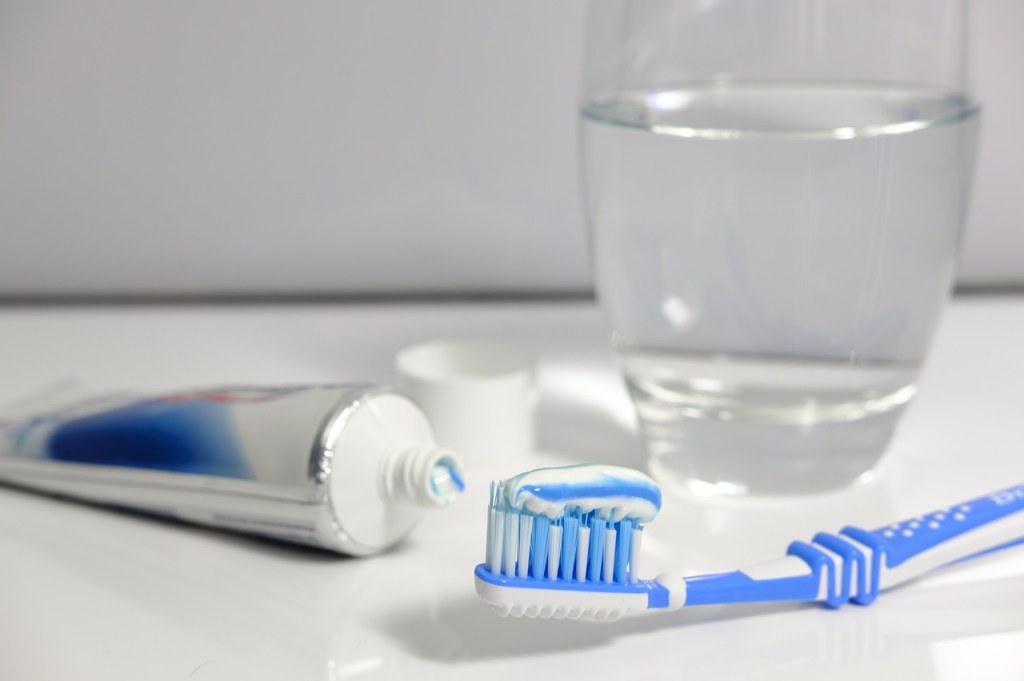
Fluoride strengthens tooth enamel, making it resistant to decay. While too much fluoride can lead to fluorosis (staining) as seen by Dr. McKay, just the right amount can significantly reduce the risk of dental carries. Fast forward 75 years of science and research, and fluoride is now the active ingredient in toothpaste, supports about 75% of the U.S. through fluoridated water and reduces dental decay by at least 25%. Along with vaccination and a safer food supply, the fluoridation of drinking water is considered one of the top ten greatest public health achievements in the U.S. during the 20th century.
Modern Day Misinformation
Over the last few years, there’s been an increase in the questioning of the safety and efficacy of fluoride in water supplies. Critics claim it’s not natural, even toxic, unnecessary, a waste of taxpayer dollars and a question of personal choice.
These myths are nicely addressed in more detail here and here, but in summary fluoride:
- Is a natural component of water systems.
- Is controlled at 0.7 parts per million (jusssst the right amount and far from the minimum toxic dose – you would die from water toxicity before reaching toxic levels of fluoride).
- Has strong evidence of efficacy, reducing tooth decay in children and adults.
- Has strong evidence for economic savings from healthcare costs, especially when nearly a quarter of American adults don’t have dental insurance.
As far as personal choice, fluoride exists naturally in water, so fluoridation programs actually ensure it stays at the appropriate amount for dental benefits. Similar to salt iodization and the fortification of folic acid and vitamin D in foods, systemic public health initiatives like this have wide-reaching impact to Americans without any effort on the individual and regardless of socioeconomic status.
“Acute fluoride toxicity occurring from the ingestion of optimally fluoridated water is impossible.” It would take “nearly 120 gallons (more than 1,900 eight-ounce glasses) of water at one time to reach the acute dose” (for an adult male, 155 lb).
American Dental Association
The Consequences25
In February of this year, RFK Jr posted on X that he would “take every step necessary to remove neurotoxic fluoride from American drinking water.” This post had over 750K views (and growing). Misinformation about fluoride is not only harmful to the individual, but it harms communities too. There’s clear data on cities like Juneau, Calgary, and Buffalo who ceased fluoridation programs and then (shocker) saw significant increase in dental carries. Calgary voted to add fluoride back in 2021 and Buffalo will also resume fluoridation after facing a class-action lawsuit.
Bottom line: Fluoridated water systems significantly reduced the burden of tooth decay and systemically improved oral health. Levels are tightly regulated to ensure the concentrations are optimal. Recent case studies in cities show that removing fluoride from drinking water leads to adverse effects on dental health.
(5) Folic Acid

History25-31
In the 1920s, scientist Lucy Wills studied pregnant women with anemia and discovered that the cause was tied to their diet. Interestingly, she noticed a nutrient found in liver supplements and yeast extract helped prevent it. Originally called the “Wills Factor,” this nutrient was eventually isolated from spinach in 1941 and identified as folate or vitamin B9. Fast-forward to 1983 and the landmark MRC Vitamin Study trial found that supplementation of folic acid (the synthetic form of folate) during pregnancy reduced the risk of neural tube defects by 72-83%! This discovery spearheaded public health efforts to “to ensure that the diet of all women who may bear children contains an adequate amount of folic acid.”27,28
And they understood the assignment … In 1992, the U.S. Public Health Service recommended that all women of reproductive age consume 400 micrograms of folic acid daily to prevent neural tube defects. In 1998, the Institute of Medicine’s Food and Nutrition Board of the National Academy of Sciences backed this recommendation as well. As a result, the U.S. began fortifying enriched cereal grains. Based on data from birth defects tracking systems, researchers estimate that folic acid fortification prevents about 1,300 babies from having neural tube defects each year, decreasing the prevalence by 35%. As a result, folic acid fortification was identified by the CDC as one of the top ten public health achievements from 2001-2010.
Modern Day Misinformation
Many of us may wonder at this point, what in the world could anyone say against folic acid? Hold my drink … There’s a concerning increase in discussion around the efficacy of folic acid. Critics say the synthetic version isn’t as effective as natural folate found in food. There is also concern for people with a MTHFR gene variant, which can affect how they metabolize folic acid. As a result, methylated folate supplements (methylfolate or 5-MTHF) are promoted. Such a narrative has led to disturbing rhetoric questioning folic acid supplementation and food fortification. Let’s break down some concerns:
- Expert organizations on this topic like the American College of Obstetricians and Gynecologists (ACOG), American Academy of Family Physicians (AAFP), and American Academy of Pediatrics (AAP) all recommend folic acid supplementation (400 mcg/day) for women of reproductive age planning to become pregnant.
- Folic acid may be a synthetic form of folate, but that doesn’t mean it’s inferior (this is a common appeal to nature fallacy). On the contrary, folic acid is more stable to heat and light than folate. It’s also more easily absorbed by the body and increases blood folate concentrations.32-34
- People with the MTHFR gene variant can safely and effectively process all types of folate, including folic acid.34-36
- Folic acid is the only type of folate form shown in studies to help prevent neural tube defects. There isn’t sufficient evidence to recommend other forms at this time.33,34
- In their 2023 Reaffirmation Recommendation Statement, the U.S. Preventive Services Task Force concluded that for people planning to become/who are pregnant, “there is high certainty that folic acid supplementation has a substantial net benefit” for the prevention of neural tube defects.37
- While a MTHFR gene mutation may sound scary, there’s lack of evidence to be concerned or waste time/money/stress exploring it. In fact, several health organizations recommend against testing for it as part of routine workup (ACMG, ACOG, AAFP).34
Bottom Line: Folic acid prevents neural tube defects. Full stop. More research is required to understand the efficacy of other forms of folate. Expert organizations (and years of data) agree that people of reproductive age who are planning to become pregnant should take 400 mcg of folic acid a day.
This section was medically reviewed by Christina Krudy, MD.
Conclusion
We have come so far in modern healthcare, medicine and technology. Over the past 150 years, innovation and advances in public health have led to vast improvements in child mortality, food safety and availability, and a much longer life expectancy. Many of us may not know it, but public health affects our health and quality of life every. single. day. It’s sometimes referred to as an “invisibility crisis” because public health systems are not noticed or appreciated until the something goes wrong (think the city of Buffalo and their unexpected cavity crisis from the removal of fluoride in the water).
Vaccines, pasteurization, GMOs, fluoride and folic acid directly or indirectly benefit each of our lives, yet they are facing increasing scrutiny mainly from misinformation. This is becoming a public health crisis. In fact, “information” is now being proposed as a determinant of health for this reason. At a time when health information is just a few clicks away or appearing right in our feed, who is responsible for screening credible and evidence-based guidance from inaccurate or misinformed advice? The burden of this evaluation should not be on the public. This problem of health misinformation isn’t going away anytime soon and will continue to require strategic and multifaceted efforts from health professionals, organizations and leaders.
So, let’s raise a glass to the world-renowned scientists who made these life-changing discoveries, to our public health agencies and researchers, and to the science communicators out there fighting the good fight to address misinformation and promote accurate information for the benefit of your health and mine.
Cheers,
~Megan
References
- CDC. History of Smallpox. 2021.
- The College of Physicians of Philadelphia. Edward Jenner: The Father of Vaccination.
- Berche P: Life and death of smallpox. La Presse Médicale 2022, 51:104117.
- Rao TS, Andrade C. The MMR vaccine and autism: Sensation, refutation, retraction, and fraud. Indian J Psychiatry. 2011 Apr;53(2):95-6.
- Mayo Clinic. Link between autism and vaccination debunked. 2022.
- Patone M, Mei XW, Handunnetthi L, Dixon S, Zaccardi F, Shankar-Hari M, Watkinson P, Khunti K, Harnden A, Coupland CAC, et al: Risk of Myocarditis After Sequential Doses of COVID-19 Vaccine and SARS-CoV-2 Infection by Age and Sex. Circulation 2022, 146:743-754.
- Boehmer TK, Kompaniyets L, Lavery AM, Hsu J, Ko JY, Yusuf H, Romano SD, Gundlapalli AV, Oster ME, Harris AM: Association Between COVID-19 and Myocarditis Using Hospital-Based Administrative Data – United States, March 2020-January 2021. MMWR Morb Mortal Wkly Rep 2021, 70:1228-1232.
- Delaware.gov. Myth or Fact – The COVID-19 vaccine causes infertility. 2022.
- Abbasi J. Widespread Misinformation About Infertility Continues to Create COVID-19 Vaccine Hesitancy. JAMA. 2022;327(11):1013–1015.
- Mathis AD, Clemmons NS, Redd SB, Pham H, Leung J, Wharton AK, Anderson R, McNall RJ, Rausch-Phung E, Rosen JB, et al: Maintenance of Measles Elimination Status in the United States for 20 Years Despite Increasing Challenges. Clinical Infectious Diseases 2021, 75:416-424
- Ferreira Caceres MM, Sosa JP, Lawrence JA, Sestacovschi C, Tidd-Johnson A, Rasool MHU, Gadamidi VK, Ozair S, Pandav K, Cuevas-Lou C, et al: The impact of misinformation on the COVID-19 pandemic. AIMS Public Health 2022, 9:262-277.
- Zhao S, Hu S, Zhou X, Song S, Wang Q, Zheng H, Zhang Y, Hou Z: The Prevalence, Features, Influencing Factors, and Solutions for COVID-19 Vaccine Misinformation: Systematic Review. JMIR Public Health Surveill 2023, 9:e40201.
- Cavaillon JM, Legout S: Louis Pasteur: Between Myth and Reality. Biomolecules 2022, 12(4):596.
- Currier RW, Widness JA: A Brief History of Milk Hygiene and Its Impact on Infant Mortality from 1875 to 1925 and Implications for Today: A Review. Journal of Food Protection 2018, 81:1713-1722.
- Currier R. Pasteurisation: Pasteur’s greatest contribution to health. The Lancet 2020, 4(3):E129-130.
- FDA. Food Safety and Raw Milk. 2024.
- FDA. Science and History of GMOs and Other Food Modification Processes. 2024.
- Klümper W, Qaim M. A meta-analysis of the impacts of genetically modified crops. PLoS One. 2014;9(11):e111629.
- NIH: National Institute of Dental and Craniofacial Research. The Story of Fluoridation. 2018.
- CDC. Achievements in Public Health, 1900-1999: Fluoridation of Drinking Water to Prevent Dental Caries. 1999.
- Fluoride Exposed. Fluoride effects on teeth.
- Leng Y, Hu Q, Ling Q, Yao X, Liu M, Chen J, Yan Z, Dai Q. Periodontal disease is associated with the risk of cardiovascular disease independent of sex: A meta-analysis. Front Cardiovasc Med. 2023 Feb 27;10:1114927.
- NIH. Fluoride. 2023.
- American Dental Association. Fluoridation FAQs.
- Rosenberg IH. A history of the isolation and identification of folic acid (folate). Ann Nutr Metab. 2012;61(3):231-235.
- Vox. Millions of women take folic acid for a healthier pregnancy. Thank Lucy Wills. 2019.
- MRC Vitamin Study Research Group. Prevention of neural tube defects: Results of the Medical Research Council Vitamin Study. The Lancet 1991 338(8760):131-137.
- Wald NJ, FRS: Commentary: A brief history of folic acid in the prevention of neural tube defects. International Journal of Epidemiology 2011, 40:1154-1156.
- CDC. Folic Acid Fortification and Supplementation. 2022.
- CDC. Key Findings: Folic acid fortification continues to prevent neural tube defect. 2022.
- CDC. Ten Great Public Health Achievements — United States, 2001–2010. 2011.
- Lumen Learning. Chapter 11: 11. Folate & Folic Acid.
- CDC. General Information about NTDS, Folic Acid and Folate. 2022.
- Academy of Nutrition and Dietetics. Amy Fothergill, Shannon Clark, Judy Simons. Folate: One Nutrient, Many Forms, and Why Choosing the Right Form Matters. Webinar accessed March 5, 2024.
- CDC. MTHFR Gene, Folic Acid, and Preventing Neural Tube Defects. 2022.
- Crider KS, Zhu J-H, Hao L, Yang Q-H, Yang TP, Gindler J, Maneval DR, Quinlivan EP, Li Z, Bailey LB, Berry RJ: MTHFR 677C→T genotype is associated with folate and homocysteine concentrations in a large, population-based, double-blind trial of folic acid supplementation. The American Journal of Clinical Nutrition 2011, 93:1365-1372.
- US Preventive Services Task Force. Folic Acid Supplementation to Prevent Neural Tube Defects: US Preventive Services Task Force Reaffirmation Recommendation Statement. JAMA. 2023;330(5):454–459.
 Wellness by Megan
Hello from the UK
I am surprised that you, a dietician, should wish to cover vaccines as part of your list in this way.
That aside, I wonder if you have ever checked what is in the various vaccines, or indeed wondered why that injecting the alleged cause of the disease plus toxic adjuvants will ever be good for your health.
We are taught from childhood to avoid poisons/toxic chemicals, yet many are happy to have these injected into their bodies, breaching the protective skin barrier. They may be small amounts but they can cause havoc in the wrong place.
Such toxic substances will cause neurological damage, affect the brain, the heart and one’s fertility, this is basic chemistry of which you should be aware, but clearly is not your strong point.
Nor is statistics. Have you not seen that life expectancy in the USA has been falling? The misinformation is yours.
https://www.health.harvard.edu/blog/why-life-expectancy-in-the-us-is-falling-202210202835
LikeLike
Thank you for your comment. You’re right, I am not an infectious disease expert like an immunologist or epidemiologist. I am, though, a science communicator and shared key takeways based on the preponderance of evidence from high-quality studies and references (all hyperlinked). I do not know of any immunologists or epidemiologist that would disagree with the public health value of vaccines either.
I have not found evidence to suggest vaccines directly result in the harmful effects you shared and I specifically cited a robust consensus statement from NASEM on this exact topic. I am always curious to learn though so please do share your sources.
Regarding statistics, the Harvard blog article you shared is indeed correct that life expectancy decreased, and COVID-19 *infection* was a strong driver of this (in addition to drug use and accidents) – thereby emphasizing the importance of vaccines in preventing unnecessary COVID-19 deaths. I also shared a graph that shows the preventable deaths if those people were vaccinated. I hope this brings some clarification. Cheers!
LikeLike
Dear Megan
Thank you for your reply. The fact that you are not an infectious disease expert like an immunologist or epidemiologist is neither here nor there. The issue is one of logic, not an appeal to authority. Calling yourself a science communicator is setting yourself up as an authority, whereas in fact you are merely regurgitating others work without critical thinking.
We are all science communicators if we pass on knowledge as that is what the word ‘science’ means. Whether that knowledge is accurate is another matter.
Immunologists and epidemiologist are primarily statisticians whose livelihoods depend on substantially on virology theory and the use of vaccines, so it is unlikely you will find many challenging the current mainstream view. However, here is one that does.
https://substack.com/@nichulscher/posts
Nevertheless, you have not told me that you have checked what is in the vaccines so clearly you have not done your due diligence.
As to no evidence that vaccines directly result harmful effects I mention, this is pure logic due to the substances injected, but in any event you clearly haven’t asked the right questions of the internet search engine. However, here is an article.
https://pmc.ncbi.nlm.nih.gov/articles/PMC10302665/
You refer to a robust consensus statement from NASEM but the only link you provide is on GMO. But in any event a consensus statement is not evidence.
As regards COVID 19 Megan, in 2020 they rebranded the ‘flu which is why ‘flu cases almost disappeared and COVID 19 took its place. Rebranding is standard business practice when sales are falling. So the whole COVID 19 event is a charade. There was no novel disease, just the usual problems rehashed, exacerbated by the ridiculous response.
The supposed benefits of vaccines are based on persistent advertising, rebranding of disease and manipulation of statistics. Being injected with toxic substances, even in small amounts, will never be good for one’s health.
LikeLike
I summarize my articles based on what the preponderance of evidence (large datasets, consensus statements, systematic reviews and meta-analyses) not off individual writers or individual studies. The NASEM consensus report is properly linked in the vaccine section (different from the GMO section) as are the other relevant citations. Again – I am unfamiliar with any strong scientific evidence that suggests vaccines have adverse effects that outweigh their protection.
Regarding “toxic substances” – we know the dose makes the poison (water, caffeine, etc are all toxic at sufficient doses). For example, while formaldehyde is used in some vaccines – the amount naturally in our body or in every day foods like pears are *significantly higher* than what’s found in one dose of a vaccine. Once again, I have not seen any evidence to suggest the ingredient components of vaccines are harmful, but there is strong and consistent data that vaccines have saved millions of lives over the last century – this data is not made up, not exaggerated or based on advertising (I have pasted a few additional resources below).
I always welcome feedback and thoughts, but I will not approve any more comments on this topic that do not provide credible scientific evidence to substantiate them. Cheers!
https://www.who.int/news/item/24-04-2024-global-immunization-efforts-have-saved-at-least-154-million-lives-over-the-past-50-years
https://www.thelancet.com/journals/lanres/article/PIIS2213-2600(24)00179-6/fulltext
https://gh.bmj.com/content/10/7/e016887
https://www.healthychildren.org/English/safety-prevention/immunizations/Pages/Vaccine-Ingredients-Frequently-Asked-Questions.aspx
https://www.fda.gov/vaccines-blood-biologics/safety-availability-biologics/common-ingredients-fda-approved-vaccines
LikeLike
Dear Megan
Whether you post my comment is neither here nor there but I do keep full records of what I try to post in cases like this as evidence.
You said “I do not know of any immunologists or epidemiologist that would disagree with the public health value of vaccines either.” I provided one who does. So don’t try and wiggle out of it with your ‘looking at the preponderance of evidence” waffle.
As to your “dose makes the poison” don’t be so ridiculous. Poison are poisons. Less poison is less poisonous but so what. They must be harmful mustn’t they, even if only slightly, to create the immune response?
And trying to say water is poison at sufficient doses as a justification is insane. Water is the stuff of life; our bodies are some 75% or so water.
Nevertheless, I am glad you at least agree there are poisons in vaccines (you wouldn’t be arguing about dose otherwise).
As to poisons in vaccines the impact on a baby for example is far worse because it is small and developing, yet they receive so many doses if they get the full schedule. And they get the same dose as adults. Those who promote vaccines are child abusers.
As to vaccines have saved lives nonsense, you have swallowed the pharma lies. The only thing saved is the pharma business model which relies on people being sick and fearful so they can be sold toxic drugs to keep them sick.
And as to providing credible links, these are not required to argue the logic which is that injecting toxic substances into the body, bypassing the usual protection of the skin can only cause disease if anything.
The only benefits are to big pharma profits. If there were health benefits they would not have fought for and got the National Childhood Vaccine Injury Act of 1986 in the USA. If they were any good it would not have been necessary.
You clearly are not interested to learn otherwise you would have understood this long ago. You are an obvious pharma shill and I see you have teamed up on substack with Katelyn Jetelina, another vaccine addict. You have sold your soul for lies, shame on you.
LikeLike
I approved this comment so your thoughtful, respectful and civil feedback is publicly available for readers to consider. Cheers.
LikeLike