Halloween night is a fun and spooky occasion, but for many parents it can trigger something even scarier: the candy. Navigating a night filled with endless sweets can feel challenging. How do we balance the celebratory spirit of Halloween with healthy moderation? As a mom and dietitian, I have a few thoughts.
Have a game plan. A little planning can help us feel more prepared, confident and consistent.
Keep candy in perspective. If we make it a big deal, it becomes a big deal. Every child responds differently to food, so use your best judgment and trust your gut.
For toddlers under two, try to avoid candy. Dietary Guidelines recommend no added sugar until age two, since this is an important window when taste preferences are developing. For kids under five, also be mindful of choking hazards (hard candies, caramels, and gummies).
Consider food allergies. A variety of treat options, non-food items or the Teal Pumpkin Project can be helpful for kids with allergies.
Halloween Night
Serve a balanced meal before heading out. Getting some good nutrition in their bellies can help fuel a fun evening and prevent hungry trick-or-treating.
Let your kids take the lead. Allow them to pick and eat the candy they want. They may overdo it. They may not. Try not to interfere too much if you can help it.
Make it fun. Sort it, trade it, talk about the ones you love (and the ones you don’t).
After Halloween
Keep candy in a central and shared spot like the kitchen or pantry (but out of reach from pets and small children).
Set gentle boundaries. For example, let them choose one or two pieces to have with dinner or to pack in their lunch.
Have calm responses ready for pushback. Try: “Let’s give our bellies a break for now, how about picking one for your lunchbox?” or “That’s not on the menu right now, but [safe, enjoyed food] is!” I also like asking my kids what happened to the Hungry Caterpillar after eating too many treats – it makes the point in a silly, memorable way. (Jill Castle has great resources on this topic).
Transition when the novelty fades. After about a week, interest usually wanes. You can move favorites to the freezer, donate some, bring a stash to work, or try techniques like the Switch Witch.
At the end of the day, a short break from “healthy eating” is much easier to recover from than risking your child’s relationship with food. Remember: foods vary in nutritional value, but they hold no moral value – they’re not good, bad, clean, or dirty, and they certainly don’t reflect your worth as a parent.
Childhood is painfully short. Let’s keep the magic of Halloween alive – without letting sugar or guilt haunt us.
In the masterpiece that was Mean Girls, Regina George once said “why are you so obsessed with me?” In my mind, that is what seed oils must be thinking too.
In recent years, lowly seed oils have found themselves at the center of a heated health debate. Critics argue that they contribute to inflammation and chronic disease, and should be replaced by animal fats. These claims have left health experts and the public scratching their heads as it contradicts long-standing guidance to limit saturated fats and replace them with unsaturated fats like those found in seed oils.
While most folks consider seed oils healthy, about one in four Americans have never even heard of them. So, what exactly are seed oils, why are they under scrutiny and what does the science really say? Let’s break it down.
TLDR: The preponderance of research shows seed oils can benefit our health when they are consumed as a part of a healthy diet. Most concerns lack important context.
Seed oils are the oil that is extracted from the seeds of plants – typically canola, soybean, corn, sunflower, cottonseed, grapeseed, safflower and rice bran. Other common oils, like olive, coconut, palm and avocado, are taken from the fruit of the plant.
The oil can be extracted via a mechanical or solvent process. Mechanical extraction physically presses the oil out while solvent extraction uses a chemical like hexane to dissolve the oil. Oils can then be refined to remove impurities – a process known as RBD (Refined, Bleached, and Deodorized). The processing method affects the nutrition, taste profile, stability and smoke point of the oil, which are important considerations for culinary use.
Bottom line – Seed oils are extracted from plant seeds through a mechanical or solvent process which affects its nutritional, physical and cooking properties.
Seed oils consist primarily of polyunsaturated fatty acids (PUFAs), which include omega-3 and omega-6 types. These are considered “essential” fatty acids because our bodies can’t make them on their own. PUFAs support our cell membranes and nervous system, and play an important role in regulating fat metabolism, immune function and inflammation.
There is a strong and consistent body of evidence that shows diets high in PUFAs are linked to lower risk of heart disease, particularly when they replace saturated fat. This protective effect is driven mostly by reducing LDL (“bad”) cholesterol and triglyceride levels.
The American Heart Association (AHA) Presidential Advisory “strongly concludes” that reducing saturated fat and replacing it with PUFAs will reduce rates of heart disease. In fact, their meta-analysis found swapping saturated fat with vegetable oil PUFAs reduced heart disease risk by around 30%, similar to the effect of statins.
Last year, a cohort study of over 400,000 adults found eating more plant-based fats lowered the risk of death from all causes and heart disease. Specifically, those with the highest intakes of vegetable oils were 15% less likely to die of heart disease than those with the lowest intakes, and replacing saturated fat with unsaturated fat lowered the risk of heart disease death by up to 30%.
Recently, a 33-year cohort study of over 220,000 adults found that eating more plant-based oils significantly reduced the risk of premature death whereas higher butter intakes were linked to increased risk. While the negative effects of butter were not seen in folks with overall healthy diets (a nod to the oh-so-valuable concept of balance), the researchers did estimate that replacing about one tablespoon of butter with plant-based oil cut the risk of death from all-causes and cancer by 17%.
Bottom line – Seed oils offer essential PUFAs that have recognized benefits for heart health, especially when they replace saturated fats.
Critics of seed oils claim they are “poisonous,” “toxic” and contribute to the rising rates of chronic disease. It’s important to understand where these concerns come from, and many warrant nuanced discussion, so let’s address four common points of contention.
Correlation with Poor Health
Let’s start with the concern of correlation as this implication drives home an important message. A common argument against seed oils is that increased consumption has been positively associated with the increase in chronic disease. Provocative graphs are typically shared that show both vegetable oil intake as well as obesity and/or diabetes prevalence increasing over time. So, what could be going on here?
It’s true, U.S. consumption of vegetable oils has increased dramatically since the early 20th century along with the prevalence of both obesity and diabetes.
Vegetable oil, particularly soybean oil, is commonly found in processed foods for its favorable properties (solubility, gelation, shelf-stability, and emulsification).
Interestingly, heart disease mortality and high LDL cholesterol have decreased since the 1970s – a nod to improvements in both lifestyle prevention and medicine.
This poses the question – is it the seed oils or the UPFs that contain them that are really harming metabolic health? While increased consumption of UPFs, that are typically calorically dense and nutrient-poor, are likely contributing to poor health, we must remember that chronic disease is influenced by a variety of complex factors at both the individual and systemic level. The correlation with seed oil and UPF intake is worth noting, but there are many other drivers of health at play too. Simple graphs make for easy (and attractive) messaging, but as we know health is rarely that straightforward.
Omega-6 Fatty Acids
Seed oils contain a variety of fatty acids but are mostly made up of the omega-6 fatty acid, linoleic acid. Critics claim seed oils cause inflammation because linoleic acid is converted to arachidonic acid (which can be pro-inflammatory). However, eating linoleic acid doesn’t strongly affect our arachidonic acid levels and research doesn’t link linoleic acid to most inflammatory markers or long-term inflammation. Some evidence actually points to reduced inflammation. Here’s the kicker … we get most of our arachidonic acid from animal-based foods – primarily chicken, eggs and beef, not seed oils.
Another concern is that seed oils have increased our omega-6 to omega-3 ratio to levels much higher than historically consumed. This topic is worth an entire article on its own, but I’ll aim to be brief. It’s true, our intake of omega-6s and its ratio to omega-3s significantly increased in the 1900s and the early 2000s thanks to dramatic changes in how we eat (see the section above on UPF). Indeed, this change deserves attention and further research. However, the clinical significance of this ratio remains up for debate. Nevertheless, most experts agree Americans are not meeting omega-3 recommendations and can certainly benefit from eating more omega-3 foods.
Lastly, while there are demonstrated benefits of replacing saturated fat with omega-6 PUFAs (with even more favorable results than monounsaturated fats), the effects of increasing omega-6s alone are more controversial where studies show both neutral and potentially harmful effects on heart health, calling for more specific research.
Solvent Processing
Many seed oils are processed using hexane, so there are concerns around residual byproducts that could be toxic. Hexane is a very effective solvent that can extract oil from seed material and evaporate quickly. While there can be trace amounts leftover (~0.8 ppm), this is fairly trivialcompared to our daily exposure from inhaling pollutants (<2%) which is actively monitored by the EPA.
Solvent extraction also requires oils to be further refined, bleached and deodorized. This process removes impurities, but also removes nutrients such as fatty acids, antioxidants, vitamins and proteins. This creates a more stable oil with a higher smoke point. When oils are heated too high and too long, they burn and create harmful acrylamides. These compounds are more of a concern in foods like potato chips and French fries, rather than home cooking. However, even for everyday household use, it’s important to know common smoke points (e.g., don’t use extra virgin olive oil to stir fry at high heat).
At the end of the day, if you are concerned about the processing method you can opt for oils that are mechanically extracted, such as cold-pressed oils. These products preserve more of the oil’s natural nutrients but come at a higher price with a shorter shelf-life and lower smoke point.
Conflicting Evidence
Critics often share “gotcha” studies that question the healthfulness of seed oils and omega-6 fats, as well as the validity of dietary recommendations to replace saturated fat with them. Challenging knowledge and being open to revision are a good thingand underscore the spirit of scientific progress, but not all evidence is created equal. Let’s discuss a few common scientific inquiries.
The Minnesota Coronary Experimentwas a clinical trial in the late 1960s that explored the effects of replacing saturated fat with omega-6 linoleic acid from vegetable oils. Interestingly subsequent analyses found that while vegetable oil helped lower LDL cholesterol, it had no benefit on heart disease outcomes and lower cholesterol was actually linked to an increased risk of death (!). However, this report had serious methodical limitationsrelated to conflicting reporting, short duration, high attrition rates and poor generalizability. Therefore, experts say we shouldn’t draw conclusions from this single (and weak) study and its results shouldn’t impact current dietary recommendations (which are based on the overall body of evidence).
A study on Seed Oil and Colon Cancer also made for provocative headlines late last year. The researchers compared colon tissue from cancer patients and healthy people to explore the effects of fat content and inflammation. They found greater levels of arachidonic acid (a derivative of omega-6 linoleic acid) and inflammation in tumor cells. These results are important and highlight potential effects of lipid metabolism on tumor development, but the study did not collect any data on diets or seed oil intake and therefore cannot imply a causal relationship. It was also conducted in patients with an average age of 64 and at only one point in time, which makes conclusions difficult as cancer develops over the course of years. Check out this Science Feedback article and Dr. Andrea Love’s Immunologic article to learn more about the study and the issues with misleading headlines.
In Defense of Saturated Fat.Critics of seed oils often point to conflicting evidence on saturated fat and heart health. There is certainly growing evidence that calls for re-evaluating the relationship between saturated fat and heart disease, particularly when it comes to whole foods such as dairy foods and unprocessed meat (thanks to potential “food matrix” effects). However, these arguments create a false dichotomy between seed oils and saturated fat. Two things can be true: replacing saturated fat with unsaturated fat can have favorable effects on heart health outcomes, and nutritious foods that contain saturated fat can be part of a healthy diet. Phew, we don’t have to pick a side and different fats can peacefully exist together healthy diets.
Further research on the interaction between dietary fat, food type and health are indeed welcome. However, established health recommendations don’t come from single studies, but from critical reviews of the entire body of evidence. Questioning science can be a good thing, but undermining expertise and eroding trust in public health recommendations based on limited or weak data is not helpful and potentially harmful.
Bottom line – There are concerns over seed oils due to correlation with poor health, omega-6 content, processing techniques and contradictory studies. However, most evidence does not link seed oils, specifically, or their processing method to adverse health effects.
Seed oils can be a beneficial part of a healthy diet, particularly when they replace saturated fat. They are useful for cooking, baking, dressings and marinades.
Americans are eating significantly more seed oil (and omega-6s) today due to the increased availability and consumption of UPFs. Eating more UPFs likely contributes to seed oil’s correlation with chronic disease prevalence, but there’s always more to the story of health.
Research suggests the omega-6 content of seed oils alone doesn’t affect inflammation and can even have favorable effects on health. However, trends of increasing omega-6 intake and a higher omega-6 to omega-3 ratio warrant more research. Nonetheless, overall diet quality is a much better predictor of health outcomes.
Solvent processing in refined oils can leave trace amounts of hexane, but this exposure hasn’t been linked to adverse health effects and it’s a fraction of what we inhale daily from other sources. Cold-pressed oils are available for those who are concerned.
Emerging research on saturated fat and heart health is noteworthy but shouldn’t discourage seed oil consumption.
From a public health perspective, we have a lot of room for improvement in our diets, but removing seed oil is far from the top of the list. The vilification of seed oils is not only misleading, it’s potentially harmful, undermines scientific consensus and distracts from more meaningful drivers of health. Our attention, time and resources would be better spent investing in programs and policies that effectively improve overall diet quality and health rather than attacking a single, and nutritious, food.
Cheers,
~Megan
p.s., I will continue to write about topics I am passionate about on this blog, but I recently teamed up with Your Local Epidemiologist to support their Substack newsletter that covers a variety of public health topics. Be sure to check it out and subscribe!
Nearly every day I see a headline or social media post about a food, ingredient or chemical that’s supposedly the underlying cause of what’s “making us sick.” The story is typically sensationalized coming from misinterpreted data or an unqualified interpreter (see my post on Nutrition Misinformation).
From seed oils to MSG, sugar substitutes to food dyes, GMOs to pesticides, and an unsafe and “poisonous” food system, it can feel validating to have a scapegoat for issues related to our health. But let me let you in on a little secret, the one clinicians and health authorities WANT you to know about …
… the secret to health is that there is no secret. It’s quite simple, it’s backed by years of science and it’s recommended by credible health organizations around the world. For the majority of us, health comes down to just a few habits (but please see my disclaimer on modifiable and non-modifiable health). Here are 5 ways we can truly “Make America Healthy Again”:
Extensive research shows that doing these 5 things will significantly improve your health more than cutting out a food group (unless you’re allergic), avoiding an ingredient, or eating an organic or GMO-free diet will ever do – phew! We can save our money and our sanity.
This article outlines some details and data for each topic, but here’s the TLDR …
Images from Pixabay, Pexels, Unsplash and the 2020-2025 DGA
1. Eat a mostly nutritious diet, within your calorie needs.
The average diet quality score of Americans over age 2 is 59.
~98% don’t meet recommendations for whole grains
~90% don’t meet recommendations for vegetables
~90% don’t meet recommendations for dairy
~80% don’t meet recommendations for fruit
Majority of American adults exceed recommendations for added sugars, saturated fat and sodium.
U.S. Dietary Guidelines are often criticized (no, I’m not talking about the Food Pyramid that phased out in 2011 which people still like to reference for some reason – immediate red flag in my opinion), but here’s the kicker, if Americans simply followed U.S. guidelines there would be lower risk of all-cause mortality, cardiovascular disease, and cancer resulting in billions of dollars in healthcare savings.
Americans at all ages can benefit from diet improvements.Source: DGA, 2020-2025
2. Stay active
The average sedentary time for Americans is 9.5 hours a day.
The average American spends over 7 hours a day looking at a screen.
Staying physically active can improve nearly every facet of our health from head to toe: our brain, heart, bones, muscles, weight, as well as emotional health and quality of life. It also reduces the risk of falls, fractures, all-cause mortality and cancer.
Aiming for the recommended 150 minutes of moderate to vigorous activity per week appears most protective, but any activity is better than none – especially for women.
If you hear “X is the new cigarette,” unfollow this person immediately. Tobacco use is the leading preventable cause of death in the United States. Full stop.
Smoking harms nearly every single organ system in the body, causing 1 of every 3 cancer deaths, 1 of every 5 deaths from cardiovascular disease and 8 in 10 cases of COPD.
Nearly 1 in 4 Americans reported binge drinking in the last month (4+ drinks for women or 5+ drinks for men within about 2 hours) and 6.3% report heavy alcohol use.
Excessive alcohol intake can harm nearly every system of our body including our brain, heart, immune system, liver and pancreas, and there’s strong evidence that it increases the risk for several types of cancer.
Cutting back, even to mild or moderate intake for previous heavy drinkers, can have substantial health benefits. It’s never too late and mocktails are very trendy these days.
Disclaimer – while many folks can benefit from lifestyle changes to improve anxiety and stress, many may also require professional attention and medication. There is nothing wrong with this and unfollow anyone who says otherwise.
It can be challenging to sift through the noise of clickbait headlines or passionate influencers but remember that these voices are often the loudest and they do come and go. Sound public health advice may evolve with advancing research, but the basic and boring foundations don’t change too much over time. There is no secret, there is no conspiracy theory, there is no poisoning. If majority of Americans improved habits around diet, exercise, sleep, substance use and mental health we would be much healthier. America’s health professionals and organizations want you to be healthy and truly dedicate their lives to do just that.
So, cheers to the clinicians, researchers, scientists and public health workers and communicators out there doing the good work to improve our health every day.
Disclaimer
Many healthy lifestyle behaviors are modifiable, but many are not. I would be remiss if I did not identify this notion. Non-modifiable factors include genetics, age, race/ethnicity and social determinants of health which contribute to widespread health inequities and disparities. Just to appreciate the complexity of health, check out “Map 5: The Full Obesity System Map” (figure 5.2) on this Tackling Obesity report. While there’s still a lot of work to be done, there are investments and efforts underway to make health more equitable for all.
I just read Siddhartha Mukherjee’s The Song of the Cell and I can’t help but feel inspired and in awe of how far we’ve come in medical science. From the discovery of the cell to germ theory, from in vitro fertilization to T-cell therapy for cancer, it’s a beautiful story of dedication, innovation and brilliance in human medicine. And then … I see a viral TikTok video of a pregnant woman promoting raw milk for health benefits.
Misinformation is taking a toll on public health, science literacy and trust in health officials. In fact, a recent Pew Research survey found over a quarter (27%) of Americans say they have little to no confidence that scientists act in the public’s best interest.
Scientists like Edward Jenner, Louis Pasteur, Frederick McKay, Herbert Boyer, Stanley Cohen and Lucy Wills must be rolling in their graves right now as their legacies are being turned upside down all in the name of “wellness.” Don’t know who these folks are? Their work has helped protect us from things like infectious disease, foodborne illness, tooth decay, diabetes, malnutrition and birth defects.
Let’s walk through these public health achievements, their impact on our lives and how misinformation is taking us a step backwards in the wrong direction.
While the concept of immunity through inoculation stems far back and across multiple cultures, Edward Jenner is coined as the Father of Vaccination. In 1796, the English doctor found that exposure to cowpox improved immunity to smallpox. His work changed the trajectory of infectious disease prevention and smallpox was declared eradicated in 1980. Years followed and more vaccines were developed for viruses like the flu (1933), poliovirus (1953), measles (1963) and COVID-19 (2021). These vaccines have saved millions of lives, contributed to herd immunity and increased our life expectancy.
Modern Day Misinformation
Fast forward to the year 2024 and we have prominent figures, social media influencers and even presidential candidates spreading misinformation. Let’s address a few common ones below.
Autism:4,5 This myth stems from one small study of 12 children in 1998 that suggested a link between the Measles, Mumps, Rubella (MMR) vaccine and autism. The study was poorly done, grossly misinterpreted, quickly refuted and eventually retracted from the journal. But the damage was done. The results sparked scary headlines and led to years of vaccine hesitancy from parents. In 2015, a large JAMA study (>95K kids) confirmed there’s no link between MMR and autism. Fast forward to 2024 and measles outbreaks are raising alarms from the AAP and CDC. As a parent this is both frightening and infuriating.
Cancer: There is no established link between vaccines and cancer. In fact, research suggests that decreased infections through vaccination can reduce the risk for certain cancers like liver cancer, cervical cancer, and childhood leukemia.
Heart complications:6,7 There have been reports of myocarditis (inflammation of the heart muscle) and pericarditis (inflammation of tissue around the heart) that may occur as a result of the COVID-19 vaccine. The good news is that a lot of time, money and research goes into healthcare data collection and vaccine adverse event reporting. Studies exploring this link have consistently shown that the risk of myocarditis is far higher and more serious following COVID-19 infection than vaccination. A CDC report found the risk of heart complications was 2-6x higher in teenage boys and 7-8x higher in young men after infection compared to after vaccination. An AHA study of nearly 43 million people found that those who were infected with COVID-19 and unvaccinated were 11x more at risk for myocarditis, but the risk was cut in half for infected people who had at least one dose of the vaccine.
Infertility:8,9 In 2021, nearly a third of US adults surveyed believed or weren’t sure if COVID-19 vaccines caused infertility. There is no evidence or even a plausible mechanism to support this belief. Strong medical consensus and research have concluded vaccines don’t affect fertility. In fact, infection from viruses like COVID-19 can temporarily hurt male fertility and can also increase risk of complications to pregnant people and their babies.
[May 2024 Update] While side effects are rare, just like any medication, they do happen and should be acknowledged, supported and researched. In probably the most rigorous review yet, the National Academies of Science, Engineering and Medicine (independent, non-profit) published their 314-page consensus reportwith a comprehensive analysis and breakdown of the evidence on the safety and risks of different COVD-19 vaccines, including heart, blood, fertility, hearing and nerve complications.
The Consequences10-12
Measles: Measles was declared eradicated in the U.S. in 2000, however cases are rising and alarming public health officials. Declining vaccination rates may bring us back below threshold levels required for herd immunity, putting young children at risk for severe illness.
“We’re not just seeing [measles] cases, we’re seeing transmission, which means vaccine levels aren’t what we’d like them to be.”
COVID-19: Covid-19 vaccine misinformation directly contributed to vaccine hesitancy, hindered progress for herd immunity, and sadly resulted in hundreds of thousands of unnecessary deaths. An analysis by Brown University showed that for the >641,000 people who died after vaccines were available, about half of those deaths could have been averted if every eligible adult was vaccinated (see figure below). It’s devastating.
Nearly half of the deaths post-vaccine could have been prevented. NPR, 2022
[July 2025 Update] A recent study published in JAMA explored the the global impact of COVID-19 vaccinations on deaths during the 2020-2024 period and found that the vaccine prevented more than 2.5 million deaths.
Bottom line: Vaccines are rigorously studied, and research shows there is much greater risk from viral infection than vaccination. Vaccination supports public health by preserving herd immunity to protect vulnerable populations. Misinformation leads to vaccine hesitancy, unnecessary illness and death, and the potential return of eradicated viruses.
In 1865, French chemist Louis Pasteur proposed the process of heat treatment to destroy microbes and prevent spoilage in wine – a technique now known as pasteurization. Not too long after, in 1886, German chemist Franz von Soxhle began heating bottled milk. By 1910, the public health advantages became so obvious that pasteurization was implemented throughout the U.S. As a result, the infant mortality rate significantly decreased from milkborne diseases like tuberculosis, brucellosis, diphtheria and “summer diarrhea.” In 1938, dairy foods were responsible for about 25% of all disease outbreaks from infected foods and contaminated water while recent data show that they are now linked to less than 1% of outbreaks.
Modern Day Misinformation
Unfortunately, raw milk is making its way back into our grocery stores and our E.coli outbreaks. Common claims for raw unpasteurized milk include purity, nutritional superiority and immunity benefits. Let’s quickly break down each of these.
“Purity” – pasteurization doesn’t use chemicals or additives. It’s simply heating milk to a temperature that destroys pathogenic (bad) bacteria, extends shelf life and significantly reduces the risk of foodborne illness.
“Nutrition” – pasteurization does not negatively affect the nutritional profile. Here’s what heating does do… it affects lipase enzymes (which break down fat) – this is a good thing because fat degradation leads to rancid off-flavors (and our bodies have enough lipase enzymes to do it ourselves). Heating also reduces vitamin C, but milk isn’t a good source of vitamin C anyways. Contrary to some claims, heating does not affect lactose content and raw milk doesn’t improve lactose tolerance (just stick with the tried and true lactose-free milk). This 2014 review concluded nutritional differences between raw and pasteurized milk were negligible, with the only considerable difference being its sensory profile.
“Immunity Benefits” – based on the totality of evidence, the risk of raw milk far outweighs any potential mechanisms for benefits. Pathogenic bacteria are not the same as probiotic bacteria found in fermented dairy like yogurt and kefir. These bacteria are not natural, but the result of contamination from the environment (e.g., cow utters, feces, skin/mastitis, hay – yuck!) According to a 2017 study unpasteurized milk (consumed by only 3.2% of the population) and cheese (consumed by only 1.6% of the population) caused 96% of illnesses caused by contaminated dairy foods. There’s a reason why the AAP has a policy statement against consumption of raw milk for pregnant women and children. Just stick with plain pasteurized milk which is a nutritious source of immune-supporting protein, zinc, selenium and vitamins D, A, and B12.
The Consequences16
Reported outbreaks related to raw milk and raw milk products have involved miscarriages, still births, kidney failure and deaths. Unfortunately, many advocates against raw milk are parents who live with the regret of the consequences. Retail of raw milk varies by state, but outbreaks still occur, like this recent February E.coli outbreak linked to raw cheddar cheese that affected 4 states.
[May 2024 Update] Now more than ever is a time to thank pasteurization for keeping our milk supply safe from the Highly Pathogenic Avian Influenza (aka HPAI, aka bird flu). Testing shows that pasteurization effectively inactivates the virus. Despite warnings, people continue to take the risk of consuming raw milk.
Bottom line: There is no good reason to take the risk of consuming raw dairy products, especially for children and immune-comprised folks. Pasteurized milk is plenty nutritious on its own, without the risk of foodborne illness.
GMOs, or Genetically Modified Organisms, describe a plant, animal or microorganism that has had its genetic material (DNA) changed. While selective breeding stems back to 8000 BC, when humans bred crops and animals with more desirable traits, modern day “genetic engineering” was spearheaded by Herbert Boyer and Stanley Cohen. In 1973, these scientists discovered the ability to transfer genetic material from one organism to another. This landmark breakthrough led to the creation of genetically engineered insulin for diabetes treatment. Before that, insulin was made from the pancreas of cows and pigs (which many people couldn’t tolerate). In 1994, the first GMO food, a tomato, became available for sale and the rest is history.
GMOs are strictly regulated to ensure they’re safe for our health and the environment. In fact, multiple government agencies (FDA, EPA, and USDA) work together to regulate GMOs as a part of the Coordinated Framework for the Regulation of Biotechnology. Global leading health authorities like NASEM, WHO, EFSA and FAO all agree that approved GM crops are safe. They increase crop yield, reduce land use, reduce pesticide use, improve farmer productivity and profit, lower the cost of food and help the fight against hunger and malnutrition (just to name a few). What many people may not know is that there are only 11 approved GMO crops for sale in the U.S.
Modern Day Misinformation
There are many myths around GMOs such as their safety, their effect on the environment and lack of research – many of which are nicely addressed and debunked in this Life Sciences Intelligence article.
What adds fuel to the fire of misunderstanding is non-GMO marketing. Many foods, including those that have never been genetically modified (remember there are only 11 in the U.S.), are marketed with the ‘Non-GMO Project’ butterfly on them (along with a higher price tag). To the everyday consumer, this implies safety, quality or purity over their counterparts without said butterfly. Claims around organic foods often highlight the non-GMO component as mark of superiority as well. However organic is a farming method, not a health claim. Because organic farms don’t use GM seeds, they can be more prone to infestation which may lead to higher herbicide or pesticide use (yes organic farms use pesticides too), more tilling (bad for soil health and the environment), higher risk of food loss and waste (also contributing to greenhouse gases), along with higher costs.
The Consequences
According to a 2020 Pew Research report, nearly 40% of Americans believe GMOs are not safe, albeit 33% don’t know enough to say. Hunger and climate action are two critical issues the world faces and are a part of the UN’s Sustainable Development Goals for 2030. GM crops will continue to play a major role in supporting sustainable food systems. Misinformation around GMOs is not only insensitive but harmful to public health literacy and sustainable food efforts.
Bottom line: There’s extensive data and research supporting the safety and quality of GM foods. GM crops help make food more resilient, affordable and reduce environment impact. Misinformation harms consumers, farmers and efforts towards more sustainable food systems.
Before the discovery of fluoride, tooth decay was nearly inevitable, and the only treatment was extraction (ouch). In fact, failing to meet minimum tooth standards was one of the leading causes of rejection from military service in both world wars. Oral health was a significant public health issue. Tooth decay is not only uncomfortable, but it can affect eating and lead to increased risk of infection, gum disease, chronic pain, inflammation and even heart disease.
In the early 1900’s Dr. Frederick McKay noticed a Colorado Springs community had teeth that were discolored but surprisingly resistant to tooth decay. This led to years of research, exploring communities with similar phenomena. It wasn’t until the 1930’s that researchers discovered it was the water’s natural fluoride that caused these effects.
Fluoride strengthens tooth enamel, making it resistant to decay. While too much fluoride can lead to fluorosis (staining) as seen by Dr. McKay, just the right amount can significantly reduce the risk of dental carries. Fast forward 75 years of science and research, and fluoride is now the active ingredient in toothpaste, supports about 75% of the U.S. through fluoridated water and reduces dental decay by at least 25%. Along with vaccination and a safer food supply, the fluoridation of drinking water is considered one of the top ten greatest public health achievements in the U.S. during the 20th century.
Modern Day Misinformation
Over the last few years, there’s been an increase in the questioning of the safety and efficacy of fluoride in water supplies. Critics claim it’s not natural, even toxic, unnecessary, a waste of taxpayer dollars and a question of personal choice.
These myths are nicely addressed in more detail here and here, but in summary fluoride:
Is a natural component of water systems.
Is controlled at 0.7 parts per million (jusssst the right amount and far from the minimum toxic dose – you would die from water toxicity before reaching toxic levels of fluoride).
Has strong evidence of efficacy, reducing tooth decay in children and adults.
Has strong evidence for economic savings from healthcare costs, especially when nearly a quarter of American adults don’t have dental insurance.
As far as personal choice, fluoride exists naturally in water, so fluoridation programs actually ensure it stays at the appropriate amount for dental benefits. Similar to salt iodization and the fortification of folic acid and vitamin D in foods, systemic public health initiatives like this have wide-reaching impact to Americans without any effort on the individual and regardless of socioeconomic status.
“Acute fluoride toxicity occurring from the ingestion of optimally fluoridated water is impossible.” It would take “nearly 120 gallons (more than 1,900 eight-ounce glasses) of water at one time to reach the acute dose” (for an adult male, 155 lb).
In February of this year, RFK Jr posted on X that he would “take every step necessary to remove neurotoxic fluoride from American drinking water.” This post had over 750K views (and growing). Misinformation about fluoride is not only harmful to the individual, but it harms communities too. There’s clear data on cities like Juneau, Calgary, and Buffalo who ceased fluoridation programs and then (shocker) saw significant increase in dental carries. Calgary voted to add fluoride back in 2021 and Buffalo will also resume fluoridation after facing a class-action lawsuit.
Bottom line: Fluoridated water systems significantly reduced the burden of tooth decay and systemically improved oral health. Levels are tightly regulated to ensure the concentrations are optimal. Recent case studies in cities show that removing fluoride from drinking water leads to adverse effects on dental health.
In the 1920s, scientist Lucy Wills studied pregnant women with anemia and discovered that the cause was tied to their diet. Interestingly, she noticed a nutrient found in liver supplements and yeast extract helped prevent it. Originally called the “Wills Factor,” this nutrient was eventually isolated from spinach in 1941 and identified as folate or vitamin B9. Fast-forward to 1983 and the landmark MRC Vitamin Study trial found that supplementation of folic acid (the synthetic form of folate) during pregnancy reduced the risk of neural tube defects by 72-83%! This discovery spearheaded public health efforts to “to ensure that the diet of all women who may bear children contains an adequate amount of folic acid.”27,28
And they understood the assignment … In 1992, the U.S. Public Health Service recommended that all women of reproductive age consume 400 micrograms of folic acid daily to prevent neural tube defects. In 1998, the Institute of Medicine’s Food and Nutrition Board of the National Academy of Sciences backed this recommendation as well. As a result, the U.S. began fortifying enriched cereal grains. Based on data from birth defects tracking systems, researchers estimate that folic acid fortification prevents about 1,300 babies from having neural tube defects each year, decreasing the prevalence by 35%. As a result, folic acid fortification was identified by the CDC as one of the top ten public health achievements from 2001-2010.
Modern Day Misinformation
Many of us may wonder at this point, what in the world could anyone say against folic acid? Hold my drink … There’s a concerning increase in discussion around the efficacy of folic acid. Critics say the synthetic version isn’t as effective as natural folate found in food. There is also concern for people with a MTHFR gene variant, which can affect how they metabolize folic acid. As a result, methylated folate supplements (methylfolate or 5-MTHF) are promoted. Such a narrative has led to disturbing rhetoric questioning folic acid supplementation and food fortification. Let’s break down some concerns:
Expert organizations on this topic like the American College of Obstetricians and Gynecologists (ACOG), American Academy of Family Physicians (AAFP), and American Academy of Pediatrics (AAP) all recommend folic acid supplementation (400 mcg/day) for women of reproductive age planning to become pregnant.
Folic acid may be a synthetic form of folate, but that doesn’t mean it’s inferior (this is a common appeal to nature fallacy). On the contrary, folic acid is more stable to heat and light than folate. It’s also more easily absorbed by the body and increases blood folate concentrations.32-34
People with the MTHFR gene variant can safely and effectively process all types of folate, including folic acid.34-36
Folic acid is the only type of folate form shown in studies to help prevent neural tube defects. There isn’t sufficient evidence to recommend other forms at this time.33,34
In their 2023 Reaffirmation Recommendation Statement, the U.S. Preventive Services Task Force concluded that for people planning to become/who are pregnant, “there is high certainty that folic acid supplementation has a substantial net benefit” for the prevention of neural tube defects.37
While a MTHFR gene mutation may sound scary, there’s lack of evidence to be concerned or waste time/money/stress exploring it. In fact, several health organizations recommend against testing for it as part of routine workup (ACMG, ACOG, AAFP).34
Bottom Line: Folic acid prevents neural tube defects. Full stop. More research is required to understand the efficacy of other forms of folate. Expert organizations (and years of data) agree that people of reproductive age who are planning to become pregnant should take 400 mcg of folic acid a day.
This section was medically reviewed by Christina Krudy, MD.
Conclusion
We have come so far in modern healthcare, medicine and technology. Over the past 150 years, innovation and advances in public health have led to vast improvements in child mortality, food safety and availability, and a much longer life expectancy. Many of us may not know it, but public health affects our health and quality of life every. single. day. It’s sometimes referred to as an “invisibility crisis” because public health systems are not noticed or appreciated until the something goes wrong (think the city of Buffalo and their unexpected cavity crisis from the removal of fluoride in the water).
Vaccines, pasteurization, GMOs, fluoride and folic acid directly or indirectly benefit each of our lives, yet they are facing increasing scrutiny mainly from misinformation. This is becoming a public health crisis. In fact, “information” is now being proposed as a determinant of health for this reason. At a time when health information is just a few clicks away or appearing right in our feed, who is responsible for screening credible and evidence-based guidance from inaccurate or misinformed advice? The burden of this evaluation should not be on the public. This problem of health misinformation isn’t going away anytime soon and will continue to require strategic and multifaceted efforts from health professionals, organizations and leaders.
So, let’s raise a glass to the world-renowned scientists who made these life-changing discoveries, to our public health agencies and researchers, and to the science communicators out there fighting the good fight to address misinformation and promote accurate information for the benefit of your health and mine.
Patone M, Mei XW, Handunnetthi L, Dixon S, Zaccardi F, Shankar-Hari M, Watkinson P, Khunti K, Harnden A, Coupland CAC, et al: Risk of Myocarditis After Sequential Doses of COVID-19 Vaccine and SARS-CoV-2 Infection by Age and Sex. Circulation2022, 146:743-754.
Boehmer TK, Kompaniyets L, Lavery AM, Hsu J, Ko JY, Yusuf H, Romano SD, Gundlapalli AV, Oster ME, Harris AM: Association Between COVID-19 and Myocarditis Using Hospital-Based Administrative Data – United States, March 2020-January 2021. MMWR Morb Mortal Wkly Rep2021, 70:1228-1232.
Abbasi J. Widespread Misinformation About Infertility Continues to Create COVID-19 Vaccine Hesitancy. JAMA. 2022;327(11):1013–1015.
Mathis AD, Clemmons NS, Redd SB, Pham H, Leung J, Wharton AK, Anderson R, McNall RJ, Rausch-Phung E, Rosen JB, et al: Maintenance of Measles Elimination Status in the United States for 20 Years Despite Increasing Challenges. Clinical Infectious Diseases2021, 75:416-424
Ferreira Caceres MM, Sosa JP, Lawrence JA, Sestacovschi C, Tidd-Johnson A, Rasool MHU, Gadamidi VK, Ozair S, Pandav K, Cuevas-Lou C, et al: The impact of misinformation on the COVID-19 pandemic. AIMS Public Health2022, 9:262-277.
Zhao S, Hu S, Zhou X, Song S, Wang Q, Zheng H, Zhang Y, Hou Z: The Prevalence, Features, Influencing Factors, and Solutions for COVID-19 Vaccine Misinformation: Systematic Review. JMIR Public Health Surveill2023, 9:e40201.
Cavaillon JM, Legout S: Louis Pasteur: Between Myth and Reality. Biomolecules2022, 12(4):596.
Currier RW, Widness JA: A Brief History of Milk Hygiene and Its Impact on Infant Mortality from 1875 to 1925 and Implications for Today: A Review. Journal of Food Protection2018, 81:1713-1722.
Currier R. Pasteurisation: Pasteur’s greatest contribution to health. The Lancet 2020, 4(3):E129-130.
Leng Y, Hu Q, Ling Q, Yao X, Liu M, Chen J, Yan Z, Dai Q. Periodontal disease is associated with the risk of cardiovascular disease independent of sex: A meta-analysis. Front Cardiovasc Med. 2023 Feb 27;10:1114927.
MRC Vitamin Study Research Group. Prevention of neural tube defects: Results of the Medical Research Council Vitamin Study. The Lancet1991 338(8760):131-137.
Wald NJ, FRS: Commentary: A brief history of folic acid in the prevention of neural tube defects. International Journal of Epidemiology2011, 40:1154-1156.
Crider KS, Zhu J-H, Hao L, Yang Q-H, Yang TP, Gindler J, Maneval DR, Quinlivan EP, Li Z, Bailey LB, Berry RJ: MTHFR 677C→T genotype is associated with folate and homocysteine concentrations in a large, population-based, double-blind trial of folic acid supplementation. The American Journal of Clinical Nutrition2011, 93:1365-1372.
US Preventive Services Task Force. Folic Acid Supplementation to Prevent Neural Tube Defects: US Preventive Services Task Force Reaffirmation Recommendation Statement. JAMA. 2023;330(5):454–459.
Recent media headlines may have you rethinking your favorite diet drink or sugar-free gum, but is the hype legitimate? Is regular sugar any better for you? Let’s break it down…
Artificial sweeteners, also known as non-nutritive sweeteners, are exactly what their name implies. They’re natural or synthetic molecules that offer a sweet taste but provide little to no nutritional energy (calories). For simplicity purposes, I’ll refer to them as “sweeteners” for this article. Below are a few well-known sweeteners that are unique in structure, function and taste, making some better for beverages and others better for foods and gum:
Saccharin (Sweet’N Low) is an artificial sweetener that is about 300 times as sweet as sugar. Our bodies can’t digest its energy, so it dissolves in our bloodstream and is excreted in our urine.
Aspartame (Equal) is an artificial sweetener that is about 200 times as sweet as sugar. It’s the combination of two amino acids, aspartic acid and phenylalanine, that are metabolized in the body. Therefore, aspartame does provide some calories, but because of its sweetness only a small dose is needed, making the calorie content quite negligible. As aspartame contains the amino acid phenylalanine, folks with a PKU (a rare disorder) should avoid it.
Sucralose (Splenda) is an artificial sweetener that is about 600 times as sweet as sugar. Similar to saccharin, we can’t digest it and it’s flushed out with our urine.
Stevia is a natural sweetener that comes from a plant and is about 300 times as sweet as sugar. We can’t metabolize it, so it’s considered calorie-free. Truvia is made from stevia but also contains erythritol and other natural flavors.
Erythritol is a type of polyol (sugar alcohol) that’s actually less sweet than sugar (60-80% as sweet). It’s found naturally in foods like grapes, peaches and pears or commercially produced by fermentation. Our bodies also naturally produce a small amount of erythritol.
Potential benefits of artificial sweeteners
Blood sugar control. Sweeteners can offer pleasant options for folks who have diabetes or need to monitor their blood sugar. While most don’t affect blood sugar at all, sugar alcohols (erythritol, xylitol, sorbitol) do contain carbohydrates and therefore may have a small effect, although much less than regular sugar. Research shows that sweeteners don’t have negative effects on our metabolism and generally act the same as water on postprandial (post-meal) blood sugar response.5
Weight management. Sweeteners contain little to no calories. That by itself doesn’t really mean much, but when they swap out sugar-sweetened options you may see beneficial results on weight, particularly for adults and those with overweight or obesity.6 However, long-term benefits are still unclear.7 And remember, the diet soda at the movies sadly doesn’t negate the calories in the extra-large, extra-butter popcorn.
Oral health. Sweeteners can help decrease intake of regular sugar, which can reduce the risk of cavities. Sugar alcohols can be particularly useful for dental health. They are often used in gums and toothpastes, and help keep our teeth clean by stimulating salivation, decreasing plaque and inhibiting cavity-causing bacteria like S. mutans.8,9 Diet soda, however, is still an acidic beverage and can erode enamel when consumed too often.
Concerns over artificial sweeteners
There always seems to be controversary over sweeteners in the news and media. Many times the catchy headline doesn’t necessarily tell the whole story, sometimes it’s straight up misleading. Most times, the truth (results from the study) fall somewhere in the middle but are lost in the nuances of science translation. A few concerns I often hear are related to cancer, chronic disease, gut health and changes in our appetite and taste preferences. Let’s discuss …
Do sweeteners cause cancer? At typical intakes, probably not.
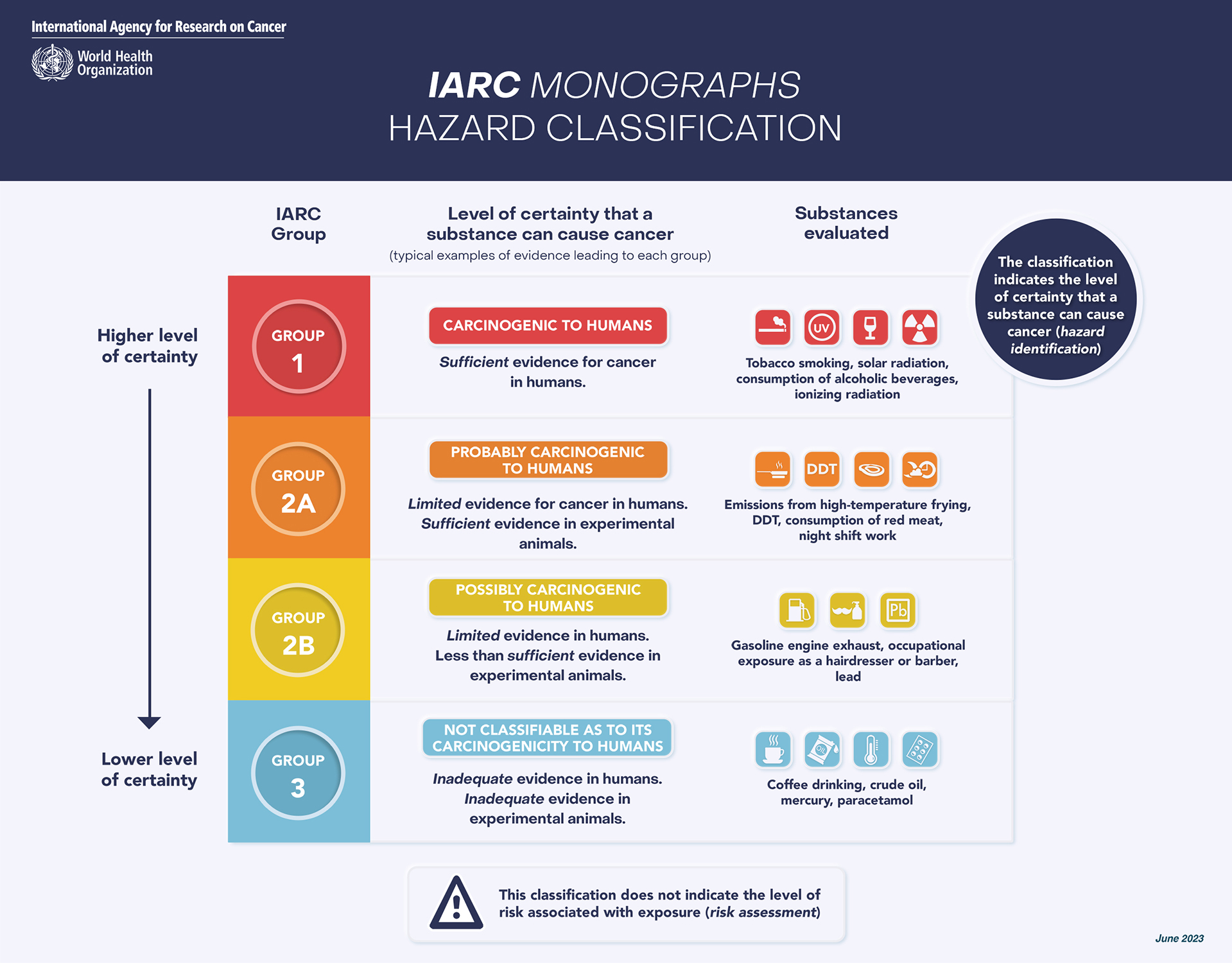
Aspartame and cancer. There’s been a lot of headlines recently on aspartame and cancer. That’s because the WHO’s International Agency for Research on Cancer (IARC) recently identified it as “possibly carcinogenic” specifically as class 2B. Now this may sound scary, but let me ease your anxiety:
Group 2B classification. This means there is “limited evidence in humans” and “less than sufficient evidence in experimental animals.” To put that in perspective, other things in this category include aloe vera, being a hairdresser or barber, and pickled vegetables.10,11
Hazard vs Risk. The IARC uses “hazard” which is NOT the same as risk. Hazard simply means potential for harm. Risk takes into account probability from exposure/dose. For example, sharks are a hazard (potential for harm) and swimming with a shark is a risk (likelihood of harm).
Risk.Cool cool, so what about the risk with aspartame? Well, the Joint FAO/WHO Expert Committee on Food Additives (JECFA), an organization that specifically evaluates the safety of food additives by performing rigorous risk assessments, looked into this. On July 14ththey concluded there’s “no convincing evidence from experimental animal or human data that aspartame has adverse effects after ingestion … aspartame is fully hydrolysed in the gastrointestinal tract into metabolites that are identical to those absorbed after consumption of common foods.”
ADI. The JECFA stood by the acceptable daily intake (ADI) of 40 mg/kg body weight (~9-14 cans a day for a 150 lb person). And even this level is conservative as it represents the amount we can consume every day throughout our entire life without an appreciable risk to health.
FDA’s response. According to the FDA, aspartame is one of the most studied food additives in our food supply and just because the IARC labeled it as “possibly carcinogenic to humans” doesn’t mean that it’s actually linked to cancer.12,13
Sucralose and cancer. In June, there were news stories about sucralose (Splenda) being genotoxic. Once again, news headlines are meant to grab your attention but often don’t tell the whole story. In this case, the hysteria began in response to an in-vitro (petri dish) study that looked at the effect of sucralose-6-acetate (which is not the same as sucralose or Splenda) on rat and human cells and found that very high doses led to markers of cell damage.14 As this epidemiologist explained, “you’d actually need at least 50,000 cans of soda to get to the levels of sucralose-6-acetate where there was just barely detectable damage to human cells.”
Are sweeteners linked to chronic disease? There could be associations, but we don’t know if it’s causal.
Diabetes and cardiovascular disease. Observational studies (looking at cohorts of people over time) show there may be an association between sweetener use and cardiovascular disease and type 2 diabetes. However, it’s important to know this strength of evidence is “low” and “reverse causation” may be a factor as folks with chronic disease may be more likely turn to sweeteners to cut back on sugar or lose weight than healthy individuals.7
Erythritol and heart health. In February, a study found that erythritol may be linked to blood clotting and cardiovascular events, and as you can guess media outlets ran wild with click-bait headlines.15 However, the study had a number of methodological limitations. For example, regarding cardiovascular outcomes, the study didn’t measure erythritol intake from food/beverages but from blood samples and remember, our bodies naturally make erythritol and those levels rise in response to oxidative stress.16 Regarding blood clotting potential, the high dose exposure as well as lack of clinical outcome assessment also highlight the study’s limitations. The science community responded to the hysteria with helpful videos that break it down like this one and this one.
Do sweeteners affect gut health? At this point, we don’t know but go easy on the sugar alcohols.
Gut microbiome. There are some concerns about how sweeteners may alter our gut microbiota as we don’t metabolize them the same way we do with sugar. A 2023 review found that the available literature is mixed and too limited to draw any conclusions, but also highlight the complexity of the microbiome and that pinpointing the effect of single nutrients is challenging because gut flora is influenced by so many other factors (overall diet quality, stress, sleep, baseline and unique microbiota composition, etc.). More human trials and long-term studies are needed.17 While we still don’t have a definitive answer for sweeteners, we do know there’s more consistent evidence showing that too much regular sugar can increase the risk for altered gut composition, cardiometabolic conditions and low-grade inflammation.18-21
Sugar alcohols and GI distress. While sugar alcohols may act as beneficial prebiotics in moderate amounts, too much can lead to annoying GI symptoms like gas, bloating and diarrhea.22 You may experience this if you chew a lot of sugar-free gum or eat too many sugar-free gummy bears. Tolerance can vary from person to person, but when you overdo it … you know.
Do sweeteners change our appetite or preference for sweets? Probably not.
Eating behaviors. There is concern that sweetener use may affect our response to or preference for sweets. Most studies show that consuming sweeteners do not increase sweetness preference, affect appetite control or lead to adverse metabolic/hormonal effects.5,7,23 However, it’s probably a safe bet to be cautious for younger kids especially during early childhood when taste preferences are still developing (this goes for real sugar too).24 Furthermore, eating a well-rounded, balanced and nutritious diet that doesn’t overdo the sweets/sweeteners can help us be more intuitive eaters.
My thoughts
Are artificial sweeteners nutritious? No. I wouldn’t call them healthy or nutritious as they don’t offer beneficial nutrients or bioactives. Do they deserve the fearmongering headlines and accompanying shame? Absolutely not.
If only more time, energy and headlines went into issues that can have a greater impact on our health. For example, 90% of Americans don’t eat enough vegetables and dairy, 80% don’t eat enough fruit, 13.5 million U.S. households experience food insecurity and more than a quarter of American adults say they’re so stressed they can’t function.25-27 Looking back at the IARC classifications, perhaps issues around alcohol, tobacco, processed meat, air pollution, and sun exposure should receive more attention as they have a higher level of carcinogenic certainty.11 Kind of puts the tizzy on diet soda in perspective, huh?
Artificial sweeteners can be a true solution for folks who have diabetes, are trying to cut down on their added sugar intake or simply want to enjoy a diet drink without the calories – no shame in the game! While the foundation of a healthy diet consists of water and a variety of wholesome foods, there’s certainly room to enjoy the pleasure of foods and drinks that bring us joy and comfort because food is so much more than nutrition.
Whether you choose to consume sweeteners or not, I hope this article helps shine some light on understanding and appreciating the complexity of the science and how trending headlines can often be misleading. Now, the rest of us can enjoy an occasional diet soda in peace.
Happy New Year! It’s officially the time of year where our news feeds are inundated with diet hacks, detox plans and juice cleanses. Unfortunately, many of these promising solutions fall short in evidence-based science. Worse, some misguided advice can even be harmful to our health (but, if you are looking for realistic health resolutions, check out my article here).
While the internet offers incredible access to educational resources, it also provides an open platform for misinformation. Social media, in particular, thrives off user engagement regardless of accuracy and is therefore a breeding ground for misinformation. In fact, the unique challenge of nutrition misinformation and its impact on practice was recently published in The Journal of Nutrition.
“This emergence of mistruths can create a momentum powerful enough to shape perceptions of food, nutrition, and diets, and the scope and scape of this problem and its impact on the public and public health are still largely unknown.”
First, I think it’s important to address how misinformation is different than disinformation. Both misinformation and disinformation are forms of inaccurate information. Misinformation doesn’t necessarily come from a place of malice, but often stems from some truth that is misrepresented, taken out of context or exaggerated beyond its evidence – think a misleading headline. Disinformation, however, is a form of misinformation that is intended to deceive and is often influenced by political stakes or profit – think a deliberate smear campaign against a food or product that is funded by an interest group. Both are equally harmful and hurt our ability to make informed decisions regarding our health. For the purpose of this article, I won’t be the judge of intent and simply refer to both as misinformation.
Thanks to open-access journals, we’re easily able to read thousands of scientific studies (or at least their abstracts). However, the strength of evidence varies considerably by things like study design (case study vs. randomized controlled trial vs. meta-analysis) and publication (peer-reviewed journal vs. newspaper vs. opinion piece). So, just because a claim has a citation doesn’t necessarily mean it’s “evidence-based.” A few examples are below:
Cherry picking: aka incomplete research. This often stems from confirmation bias when authors find studies that support their claim while withholding (knowingly or unknowingly) conflicting evidence.
Case study: The Game Changers documentary. The film relies on studies and testimonials that support vegan health benefits, while grossly ignoring conflicting bodies of research.
Relative risk: one of my favorite fallacies. Relative risk is an arbitrary measurement that simply can’t be interpreted without knowing the absolute risk.
Case study: An extra serving of bacon increases bowel cancer risk by 18%. Sounds scary. But when the absolute risk of bowel cancer for the general population is 6%, we can then calculate that eating an extra slice of bacon increases risk of bowel cancer from 6% to 7%. Not as scary.
Misleading headlines: press release stories are rarely written by the authors from the actual research study. Clickbait headlines often exaggerate findings in order to grab attention and increase sharing. Unfortunately, many of us don’t read beyond the headlines.
Case study: a 2021 study found that on average, humans may consume between 0.1-5 grams of microplastics weekly – it’s a big range and not particularly sexy. However, this video shows how over time (and poor reviews and journalism) this result morphed into headlines like “You’re eating a credit card’s worth of plastic a week” – now that will grab your attention!
“Ignorance more frequently begets confidence than does knowledge” – Charles Darwin
The Dunning Kruger Effect
I recently read Adam Grant’s Think Again (highly recommend) which dives into the power of recognizing and even capitalizing on what we don’t know. One phenomenon he covers is called the Dunning Kruger Effect.
Dunning Kruger Effect – we often overestimate knowledge about a topic when we only know a little bit about it, but as we master the subject through education and research, we grow an appreciation for its complexity and nuances, and therefore underestimate our knowledge.
As a result of this effect, many undereducated but overconfident people (ahem influencers) don’t have the experience to spot their “blind spots” and continue to perpetuate their truth, attracting more followers with their compelling narratives. On the flip side, many true experts may not recognize what they bring to the table, because they’re so highly aware of what they don’t know. This means we’re often left with the loudest voices and not necessarily the most accurate information.
Examples:
A wellness influencer takes one nutrition course and gives medical nutrition therapy advice – e.g. how to cure inflammatory bowel disease with lemon juice water (btw, there’s no cure for IBD).
A ripped TikTok star promotes the ancestral diet of raw organ meat as his secret to a muscular physique – when in reality it’s just good old fashioned exercise and steroid use.
A celebrity finds weight loss success in cutting out certain food groups and therefore demonizes them as unhealthy – e.g. how grains are making us fat and sick.
A (non-nutrition-focused) celebrity physician claims a very specific diet is best for everyone – e.g. the carnivore diet is the next best thing that will change your life forever (yes, unfortunately many MDs receive little to no nutrition education).
“Extraordinary claims require extraordinary evidence.” – Carl Sagan
Red Flags
No references or weak ones (reliance on testimonials)
Sensationalism – one food/nutrient is the detriment or the savior of our health
False dichotomies (vegan vs. carnivore, organic vs. non-organic, low-fat vs. low-carb – it’s never that simple)
Eliciting a strong emotional response (fear, distrust, anger)
Conspiracy theory undertones (no, the government or food industry isn’t trying to poison you)
Aggressively pushing supplements
Shouting (why do they shout?)
Green Flags
References to scholarly sources – look for things like PMID numbers
Credentials – PhD, MD, DO, RD, MS, MPH (this list is not full proof, but it helps)
Openly recognizing what they don’t know, accepting that “the research is limited” or referencing others who know the topic better than they do
Acknowledging when they have changed their belief about something – in my opinion, a telltale sign of integrity and professional growth
Neutral voice
Why this matters
Nutrition misinformation is a sensitive topic, but an important one. Misleading claims and messaging can considerably harm our most vulnerable. For example:
Promoting raw milk as superior to normal milk (spoiler – it’s not better but can actually carry harmful bacteria) can have dangerous consequences for folks who are older, pregnant or immune-compromised.
Pitching a miracle Alkaline Diet can lead a desperate cancer patient to forego traditional medical treatment (spoiler – the Alkaline Diet is bogus and its founder served prison time for it).
Shaming non-organic foods and calling them toxic (spoiler – they’re not) can keep families with tight grocery budgets from purchasing nutritious foods.
Claiming cow’s milk is inflammatory (spoiler – it’s not and can even be anti-inflammatory) can cause a worried parent to unnecessarily remove it (and its essential nutrients) from their children’s diet.
Health professionals have their work cut out for them, stepping up to be the voices of reason and advocates for science in this saturated space of health and wellness advice. In the meantime, I encourage us all to be good stewards of information. Call it as you see it, read beyond the headline of the article before liking or sharing it, question things that don’t sound right, and report false or harmful messaging.
Cheers,
Megan
p.s. curious about fact-checking a popular health or nutrition book? Red Pen Reviews may have already done the work for you.
In the spirit of National Dairy Month, I’m tackling dairy myths.
There’s a lot of misinformation about dairy food and dairy farming. But when you look beyond the fear mongering and (sadly) hate messaging, and closer to the science or the perspective of a farmer, you can gain an appreciation for the nutritional value of dairy foods and impressive innovation of dairy farms.
So, whether dairy is a part of your diet or not, I hope this article shines some light on common misconceptions.
Top 5 Misconceptions
1. Dairy is bad for your health
Let me start with my favorite myth. Unless you have a cow’s milk allergy, dairy foods offer many health benefits.
Dairy food consumption, as a part of a healthy diet, is linked to decreased risk of chronic disease like obesity, hypertension, cardiovascular disease, and diabetes.1-5
Contrary to popular belief, dairy does NOT cause inflammation, but can be linked to lower inflammation.6,7
For pregnant/lactating women, dairy foods are one of the few food groups that offer iodine – a nutrient that is essential to baby’s cognitive development (FYI – iodine needs increase by more than 50% during pregnancy and lactation).8-10
For infants, toddlers and children, dairy foods offer 7 of the 14 nutrients important for early brain development.11
As we get older, dairy’s protein along with calcium and vitamin D can help prevent sarcopenia (muscle loss) as well as fracture risk and falls.12,13
For athletes and active folks, dairy offers high-quality whey protein, specifically leucine – a branched chain amino acid linked to muscle mass growth.14
Paired with nutritious plant foods, dairy nicely complements plant-based diets, filling in nutrient gaps with each serving.
So, next time you see a recipe titled as “healthy” due to being “dairy-free,” I encourage you to join me in raising an eyebrow.
2. Dairy alternatives are healthier
Dairy alternatives are different. They offer another category of milk-like beverages and can be helpful for families with a cow’s milk allergy. However, claiming one is healthier than the other is challenging. How do you define healthy? Lower calorie, lower carb, lower fat, nutrition profile? Because non-dairy “milks” are most prevalent, I’ll focus on this category.
Fortified soy beverage is the only non-dairy alternative recommended by the US Dietary Guidelines. That doesn’t mean other options are bad or can’t fit into a balanced diet, it just means their nutritional profile doesn’t match that of dairy’s.
Nut varieties like almond and cashew beverage are often fortified with calcium and vitamin D, and are lower in calories/carbohydrates than cow’s milk. However, they fall short in the other essential nutrients cow’s milk offers like protein, B vitamins, phosphorous, iodine, zinc, and potassium.
For children in particular, cow’s milk offers an affordable and accessible source of vital energy, fat, and nutrients important for physical growth and cognitive development. That’s why expert organizations like the Academy of Nutrition and Dietetics, the American Academy of Pediatric Dentistry, the American Academy of Pediatrics, and the American Heart Association recognize milk as a “critical component of a healthy diet” for infants/young children and note that plant-based alternatives (except soy beverage) are “not nutritionally equivalent to cow’s milk.” 15
3. Lactose intolerance means no more dairy
Some of us don’t have enough of the lactase enzyme to digest the lactose found in dairy products, which leads to annoying GI symptoms like cramps, bloating, and diarrhea. Luckily, lactose intolerance does not have to mean dairy avoidance!
Most dairy products come in lactose-free forms. It’s still real cow’s milk and offers the same taste and nutritional benefits, just without the lactose.
Milks that are ultra-filtered offer higher protein and lower lactose options that are easier for many folks to digest.
Research shows that most people with lactose intolerance can tolerate up to 12 grams of lactose at a time (about the amount found in a glass of milk) – this means many dairy products like cheese and yogurt (under 5g lactose) can still fit in their diet.16
The active live cultures in products like kefir and yogurt help digest some of the lactose, making them more tolerable.
My visit to a dairy farm in Ohio this spring
4. Dairy farmers treat cows poorly
Animal abuse is a serious problem and, quite frankly, a disgusting form of cruelty. Unfortunately, there will always be bad apples that mistreat undeserving animals from dogs to livestock to zoo mammals. Fortunately, there are many programs in place to prevent, detect and report such maltreatment. The majority of US dairy farmers not only participate in these programs, but take pride in keeping their cows happy and healthy.
More than 99% of the US milk supply comes from farms participating in the FARM Animal Care Program – a national program that holds high standards regarding cow health, hygiene, facilities, handling, and veterinarian oversight.
Farmers ensure their cows are comfortable, happy and healthy. In fact, they want their cows to be happy! If dairy cows are stressed, it can negatively affect their milk production.17,18 Cow’s have access to:
Fresh food and water all day
Shelter that keeps them warm in the winter and cool in the summer
Soft and clean bedding
Veterinarians to prevent and treat infections and disease
Many live in free stall barns, where they can choose to walk in or out of the open shelter at their leisure.
People may envision “Big Dairy” as a factory-farm, profit-focused industry. But in reality, more than 97% of US dairy farms are family owned! Farmers are incredible. They work 365 days a year to support our food system. To learn more about farmers, I encourage you to visit a local farm, ask questions and follow educational (and very entertaining) farmers on social media like Farm Babe or Iowa Dairy Farmer
5. Dairy is bad for the environment
Dairy cows and food processing do contribute to greenhouse gas emissions. You know who else does? You and me – via transportation, electricity, heat, and food waste. And just like the strides we take to reduce our impact (energy-efficient appliances, electric vehicles, recycling), the dairy industry is no different. Here are some facts:
US dairy’s greenhouse gas footprint is estimated to be less than 2% of the US total.19
Cow burps contribute significantly to methane emissions. While this is important, remember that methane makes up 11% of US greenhouse gases, while CO2 (fossil fuels) makes up 79%. Furthermore, methane lives in the atmosphere for about 12 years, while CO2 can remain for 100’s to 1000’s of years.20,21
US dairy has committed to net-zero carbon emission goal by 2050.
Producing a gallon of milk used 90% less land and 65% less water, with a 63% smaller carbon footprint in 2007 than in 1944.22
Due to sustainability efforts like regenerative agriculture practices, producing a gallon of milk in 2017 required 30% less water, 21% less land and a 19% smaller carbon footprint than it did in 2007.23
Cows are great upcyclers and consume about 27 pounds of byproducts (food leftovers that humans cannot eat) each day, resulting in less methane and nitrous oxide emission from landfills. 24
Technological advances like methane digestors (a machine that converts methane into renewable energy) are exciting innovations to support dairy sustainability efforts.
When considering sustainable diets, nutritional quality plays a role. Cow’s milk and soy beverage have a better protein quality to carbon footprint ratio compared to oat, almond, coconut, and rice beverages.25
Is there more work to be done for dairy regarding environmental progress? Yes, as there is for all of us. Should dairy farmers be vilified as careless contributors to climate change? Absolutely not.
After about 12 years, 80-89% of methane (CH4) in the atmosphere is removed by a process called hydroxyl oxidation. Therefore, it’s important to consider how much more/less methane is being emitted over a period of time (rate of emission), because as it is being emitted it’s also continuously being removed, making it a flow gas.21
Honorable mentions (just for fun)
Dairy is high in sugar – the sugar you see on the nutrition label is simply the natural lactose sugars (it’s just like the lactose found in breastmilk and even helps us absorb more calcium) – not to be confused with refined added sugar.
Raw milk is better – raw milk is not pasteurized (heated to kill pathogens), therefore it contains harmful bacteria like E. coli, listeria, and salmonella – not to be confused with healthy probiotics found in kefir and yogurt.
Milk is full of antibiotics – unless farmers want to pay a hefty fine, milk cannot contain any trace levels of antibiotics. Sick cows need medicine too. If they’re treated with antibiotics, their milk is not used until the medicine is completely out of their system.
Milk is full of hormones – all foods contain natural hormones (both animals and plants) and years of research have shown the amounts are both negligible and perfectly safe for human consumption (e.g., 3 servings of dairy contain <0.1% of daily estrogen production in women). Synthetic use of bovine somatotropin (rbST) was once commonly used to increase milk supply, and although rigorously tested and proven safe, the majority of farms no longer use it due to consumer requests.
Milk is full of puss – ew and no. Unless a cow is sick with infection, there is no pus in milk (and remember milk is rigorously tested for any traces of unwanted material).
It’s unnatural to drink another animal’s milk – not sure how you define natural, but it makes me wonder if it’s natural that humans cook eggs, take vitamins/supplements, ferment beer, or eat tofurkey? Milk and dairy foods have been consumed by humans for thousands of years. If it ain’t broke …
Organic milk is better – if you mean more nutritious or higher quality? Nope – see my deep dive on organic here.
Milk causes phlegm – no scientific link here, however the sensory feeling of milk coating the mouth and throat may be mistaken for phlegm.
So, let’s raise a glass of milk and make a toast to the natural nutritional goodness of dairy foods and the hardworking farmers who care for these animals to feed us.
Cheers,
~ Megan
Disclosure
Megan proudly works for National Dairy Council to support America’s dairy farmers. However, all views in this blog are her own.
References
Bhavadharini B, Dehghan M, Mente A, et al. Association of dairy consumption with metabolic syndrome, hypertension and diabetes in 147 812 individuals from 21 countries. BMJ Open Diabetes Res Care. 2020;8(1):e000826. doi:10.1136/bmjdrc-2019-000826
Dehghan M, Mente A, Rangarajan S, Sheridan P, Mohan V, Iqbal R, Gupta R, Lear S, Wentzel-Viljoen E, Avezum A, et al: Association of dairy intake with cardiovascular disease and mortality in 21 countries from five continents (PURE): a prospective cohort study. The Lancet 2018, 392:2288-2297.
Mozaffarian D: Dairy Foods, Obesity, and Metabolic Health: The Role of the Food Matrix Compared with Single Nutrients. Advances in Nutrition 2019, 10:917S-923S.
Bhavadharini B, Dehghan M, Mente A, Rangarajan S, Sheridan P, Mohan V, Iqbal R, Gupta R, Lear S, Wentzel-Viljoen E, et al: Association of dairy consumption with metabolic syndrome, hypertension and diabetes in 147 812 individuals from 21 countries. BMJ Open Diabetes Research & Care 2020, 8:e000826.
Bordoni A, Danesi F, Dardevet D, et al. Dairy products and inflammation: A review of the clinical evidence. Crit Rev Food Sci Nutr. 2017;57(12):2497-2525. doi:10.1080/10408398.2014.967385
Nieman KM, Anderson BD, Cifelli CJ. The Effects of Dairy Product and Dairy Protein Intake on Inflammation: A Systematic Review of the Literature. J Am Coll Nutr. 2021;40(6):571-582. doi:10.1080/07315724.2020.1800532
Cria G. Perrine, Kirsten Herrick, Mary K. Serdula, Kevin M. Sullivan, Some Subgroups of Reproductive Age Women in the United States May Be at Risk for Iodine Deficiency, The Journal of Nutrition, Volume 140, Issue 8, August 2010, Pages 1489–1494, https://doi.org/10.3945/jn.109.120147
Adalsteinsdottir S, Tryggvadottir EA, Hrolfsdottir L, et al. Insufficient iodine status in pregnant women as a consequence of dietary changes. Food Nutr Res. 2020;64:10.29219/fnr.v64.3653. Published 2020 Jan 6. doi:10.29219/fnr.v64.3653
Bath SC. The effect of iodine deficiency during pregnancy on child development. Proceedings of the Nutrition Society. 2019;78(2):150-160. doi:10.1017/S0029665118002835
Schwarzenberg SJ, Georgieff MK; COMMITTEE ON NUTRITION. Advocacy for Improving Nutrition in the First 1000 Days to Support Childhood Development and Adult Health. Pediatrics. 2018;141(2):e20173716. doi:10.1542/peds.2017-3716
Du Y, Oh C, No J. Advantage of Dairy for Improving Aging Muscle. J Obes Metab Syndr. 2019;28(3):167-174. doi:10.7570/jomes.2019.28.3.167
Iuliano S, Poon S, Robbins J, et al. Effect of dietary sources of calcium and protein on hip fractures and falls in older adults in residential care: cluster randomised controlled trial. BMJ. 2021;375:n2364.
Phillips, S.M. The impact of protein quality on the promotion of resistance exercise-induced changes in muscle mass. Nutr Metab (Lond) 13, 64 (2016). https://doi.org/10.1186/s12986-016-0124-8
Bailey RK, Fileti CP, Keith J, Tropez-Sims S, Price W, Allison-Ottey SD. Lactose intolerance and health disparities among African Americans and Hispanic Americans: an updated consensus statement. J Nat Med Assoc. 2013;105(2):112-127.
Broucek J, Uhrincat M, Mihina S, Soch M, Mrekajova A, Hanus A. Dairy Cows Produce Less Milk and Modify Their Behaviour during the Transition between Tie-Stall to Free-Stall. Animals (Basel). 2017;7(3):16. Published 2017 Mar 3. doi:10.3390/ani7030016
Hedlund L, Løvlie H: Personality and production: Nervous cows produce less milk. Journal of Dairy Science 2015, 98:5819-5828.
Thoma G, Popp J, Nutter D, Shonnard D, Ulrich R, Matlock M, Kim DS, Neiderman Z, Kemper N, East C, Adom F: Greenhouse gas emissions from milk production and consumption in the United States: A cradle-to-grave life cycle assessment circa 2008. International Dairy Journal 2013, 31:S3-S14.
J. L. Capper, R. A. Cady, D. E. Bauman, The environmental impact of dairy production: 1944 compared with 2007, Journal of Animal Science, Volume 87, Issue 6, June 2009, Pages 2160–2167, https://doi.org/10.2527/jas.2009-1781
Judith L Capper, Roger A Cady, The effects of improved performance in the U.S. dairy cattle industry on environmental impacts between 2007 and 2017, Journal of Animal Science, Volume 98, Issue 1, January 2020, skz291, https://doi.org/10.1093/jas/skz291
de Ondarza MB, Tricarico JM: Nutritional contributions and non-CO2 greenhouse gas emissions from human-inedible byproduct feeds consumed by dairy cows in the United States. Journal of Cleaner Production 2021, 315:128125.
Singh-Povel CM, van Gool MP, Gual Rojas AP, Bragt MCE, Kleinnijenhuis AJ, Hettinga KA. Nutritional content, protein quantity, protein quality and carbon footprint of plant-based drinks and semi-skimmed milk in the Netherlands and Europe [published online ahead of print, 2022 Feb 23]. Public Health Nutr. 2022;1-35. doi:10.1017/S1368980022000453
When you hear MSG, what comes to mind? Processed, chemicals, toxic, headaches, intolerance, Chinese food …? If so, you’re not alone. MSG has been subject to decades worth of misinformation based on unsubstantiated evidence and, quite frankly, xenophobic fearmongering.
What if I told you that MSG is not only used in Asian cuisine, but also found in American favorites like Doritos and KFC’s “finger lickin’ good” chicken? What if I told you that MSG is not only safe, but adds incredibly delicious flavor at a fraction of the sodium of table salt? Let’s break it down …
MSG stands for monosodium glutamate. It’s simply the salt of glutamic acid, a naturally occurring amino acid found in foods like cheese, meat, tomatoes, and mushrooms. In fact, we consume about 13 grams of glutamate from foods every day.
Like table salt (sodium chloride), MSG is used as a flavor enhancer and preserver. What makes MSG so unique is that its glutamate offers a distinct and savory fifth taste known as umami. The seasoning is made by fermenting foods like corn, cassava starch, and sugar cane into a neutralized colorless powder.
There’s no difference in the chemical structure between MSG and the glutamate found in natural food sources. We digest and metabolize them the same way! Once MSG reaches a liquid (like your saliva), the sodium and glutamate separate – making its metabolism no different than parmesan cheese (which contains both glutamate and salt).
The safety of MSG is well researched and well documented. In fact, newer research is no longer exploring it safety, but its potential health benefits from a sodium reduction standpoint. MSG has 1/3 the amount of sodium as table salt. Studies have shown it can reduce the sodium content in foods by 30-50% without compromising taste!5,6 When nearly half of Americans have high blood pressure, sodium-reducing solutions like MSG have considerable public health implications.
Why the bad rap?2,3,7-9
The origin of “Chinese Restaurant Syndrome” stems back to 1968 in an editorial letter to the New England Journal of Medicine. A physician described symptoms like numbness, palpitations, and generalized weakness after eating at a Chinese restaurant. He hypothesized that the cause was possibly linked to the soy sauce, the wine that the food was cooked in, the high sodium content, or the MSG used. Of these theorized culprits, MSG was targeted by mainstream media and the “Chinese Restaurant Syndrome” frenzy began.
Initial studies explored the effects of MSG by injecting neonatal mice with extremely (unrealistically) high doses of MSG and (shocker) found concerning effects on their health, further contributing to MSG’s malignment. Extensive follow-up research today shows these initial studies do not model comparatively to human consumption. However, the damage was done. The effects led to decades of misinformation, fueled by misaligned science, confirmation bias, and xenophobic beliefs about Chinese cuisine. For years, many of us grew up with “No MSG” or “MSG-free” messages on food labels or windows of Chinese restaurants. So, it’s completely understandable that an entire generation lives with these deep-rooted beliefs.
But … “in science, truth always wins” – Max Perutz.
Don’t call it a comeback: MSG’s revival
MSG has been around for over 100 years. While its reputation took a hit from “Chinese Restaurant Syndrome”, over the last five years or so, the story on MSG has changed.
Chef David Chang, founder of the Momofuku restaurant group, has spent years advocating for MSG and addressing the underlying racial tones when it comes to its criticism. And he’s right – why don’t we hear complaints about MSG regarding Doritos, KFC’s chicken, or Hidden Valley Ranch Dressing (all tasty examples of MSG’s flavor)?
In 2020, Ajinomoto, an industry leader in MSG, launched a campaign called “Know MSG” in an effort to set the record straight and educate the public on its safety and culinary benefits.
In 2020, Merriam-Webster Dictionary identified “Chinese Restaurant Syndrome” as “dated, sometimes offensive” and changed the entry to “MSG symptom complex.”
Food Science Babe, a writer and social media influencer who focuses on the science behind food, has become an advocate for its use and debunking its myths.
In 2022, the Whole30 Diet announced it would no longer rule out MSG in its off-limits list of additives.
Tell me more
Now that we know MSG is safe and delicious, where can we learn more about it?
I hope this article is informative and addresses any concerns you may have around MSG. Now, I challenge you to call BS when you see or hear misguided messages around the tasty seasoning.
Tennant DR. Review of Glutamate Intake from Both Food Additive and Non-Additive Sources in the European Union. Ann Nutr Metab. 2018;73 Suppl 5:21-28. doi:10.1159/000494778
Ronald Walker, John R. Lupien, The Safety Evaluation of Monosodium Glutamate, The Journal of Nutrition, Volume 130, Issue 4, April 2000, Pages 1049S–1052S, https://doi.org/10.1093/jn/130.4.1049S
Halim J, Bouzari A, Felder D, Guinard J-X: The Salt Flip: Sensory mitigation of salt (and sodium) reduction with monosodium glutamate (MSG) in “Better-for-You” foods. Journal of Food Science 2020, 85:2902-2914.
Wallace TC, Cowan AE, Bailey RL. Current Sodium Intakes in the United States and the Modelling of Glutamate’s Incorporation into Select Savory Products. Nutrients. 2019;11(11):2691. Published 2019 Nov 7. doi:10.3390/nu11112691
Wahlstedt A, Bradley E, Castillo J, Burt KG. MSG Is A-OK: Exploring the Xenophobic History of and Best Practices for Consuming Monosodium Glutamate. J Acad Nutr Diet. 2022;122(1):25-29. doi:10.1016/j.jand.2021.01.020
Gore M: The Chinese Restaurant Syndrome. In Adverse Effects of Foods. Edited by Jelliffe EFP, Jelliffe DB. Boston, MA: Springer US; 1982: 211-223
We’ve all been there … perusing the produce section to find ourselves deciding between the $3 mixed greens and the $4 organic mixed greens. They both look equally mixed, equally green, and equally fresh. So, which do you choose?
“Organic.” It’s a term that’s become synonymous with “healthy,” “high-quality,” and “natural.” But is organic food healthier? Is it better for the environment? Should we avoid non-organic foods? Let’s break it down …
Organic refers to the way food is farmed and processed. It’s governed by the National Organic Program under the USDA. Goals of the organic program include enhancing soil quality, conserving biodiversity, and promoting animal health and welfare. Standards are strict and regulate farming practices, livestock care, pest management, and food processing. See below.
Organic Produce
Grown in soil free of most synthetic pesticides and fertilizers
Livestock have living conditions that support their natural behaviors (outdoor access and pasture grazing)
Livestock are only fed organic feed and forage
Free of antibiotic or hormone use
Organic Processed Foods
Made from organic ingredients. Exceptions include things like vitamins, baking soda, enzymes, and allowed synthetic substances
Free of artificial preservatives, colors, or flavors
Is organic food healthier?
Nutritionally speaking – There is still room for debate. For produce, some studies show that organic foods are higher in phosphorous and antioxidants than conventional foods.1,2 However, some studies show no significant differences.3,4 For meat and dairy products, the high grazing/forage-based diets often contribute to higher omega-3 fatty acid (good fat) profiles in organic livestock.3,5
Unfortunately, the research in this field is quite heterogeneous (varied in methodologies).2-7 Things like climate, soil type, harvest time, grazing time, and storage processes all affect nutritional properties and make comparisons challenging. Not all organic farms are the same, and not all conventional farms are the same. So, it’s difficult to generalize the two. Also, while higher nutritional levels might be statistically significant in a study, they often aren’t clinically significant (medically relevant).2 The antioxidant disparities are modest, and the omega-3 profiles in meat and dairy products are a fraction of what you would get from a serving of fish, chia/flax seed, or walnuts.5
Bottom line: Organic food may come out on top as far as some nutrients. However, the body of research isn’t strong and the differences in nutrient levels are likely trivial. Just eat your fruits and vegetables.
Health outcome speaking – There’s no conclusive evidence that links organic food to health benefits or disease protection.3,8-12 Studies have investigated the risk of obesity, fertility, allergies, and various chronic diseases. While diets rich in organic food show promising results, the overall body of evidence is weak due to lack of human trials and long-term studies. There is research, however, that shows that consumers who purchase organic food are (1) more health-conscious, (2) wealthier, and (3) have higher levels of education – all of which considerably affect health status. 8,10-12
Bottom line: The jury is still out on any definitive differences in health outcomes. However, you can rest assured there’s strong evidence that diets high in plant-based foods, regardless of farming method, improve our health. Just eat your fruits and vegetables.
What about growth hormones and antibiotics in conventional livestock?
Hormones – Growth hormones are used to increase animal growth rates, feeding efficiency, and milk production. In the U.S., hormones are only used for cattle and sheep. Use in pigs and poultry is illegal (FYI any “hormone-free” chicken is a marketing gimmick). They’re heavily regulated and monitored by the FDA to ensure safety for the animals, for us, and for the environment.13 Growth hormones reduce the amount of cattle, land, manure, feed, water, and energy needed for meat production – this helps reduce food cost and overall greenhouse gas emissions (GHG).14 For dairy cows, even though rbST was rigorously tested and shown to be safe, majority of dairy milk today is made from cows not treated with the synthetic hormone (as you’ll see on most labels) simply due to consumer demand. As far as residual hormones in our food? The amount found in cattle is thousands of times less than what’s naturally occurring in our body, and levels found in soy, tofu, pinto beans and more.15 Regarding naturally-occurring hormones, studies have shown that they are either undetectable or fall well below safety guidelines without adverse effects on our health.
Antibiotics – Antibiotics were once allowed to be used on livestock as an alternative way to promote growth and improve feed efficiency. This practice was highly criticized due to concerns of residual antibiotics in food and possible microbial resistance. In 2013, the FDA started phasing out the use of antibiotics for production purposes and increased mandatory veterinarian oversight.16 By 2017, when its regulations went into effect, antibiotic sales decreased dramatically.17 Many farms still use antibiotics to treat sick animals and stop the spread of disease. Treated animals must undergo a specific withdrawal period before they can be used for slaughter to prevent any antibiotic residue in food. Labeled or not, all meat, poultry and dairy are required to be free of antibiotic residue under federal law. To ensure compliance, animal products are tested in multiple checkpoints under the National Residue Program (who found a violation rate of <0.5% in 2019). And remember, no farmer wants to (a) consume food with any contaminants and (b) pay that hefty fine.
Bottom line: Both synthetic and naturally-occurring hormones are not a cause of concern when it comes to human health. Federal law prohibits antibiotic residue in food, and there are several check points in place to ensure this. So you can feel confident your food, labeled or not, is free of antibiotics.
What about “toxic” pesticides?
We’ve all seen it. Homegirl at brunch refuses non-organic eggs to avoid toxins, as she enjoys her coffee (toxin) and bottomless mimosas (toxin).
Pesticides are used to prevent and kill insects, weeds, fungus, and disease. As 20-40% of our global crop production is lost to pests each year, pesticides are essential to maintain a safe, sustainable, and affordable food system.18Both conventional and organic farms use pesticides. Organic farms can use natural pesticides, but sometimes require synthetic pesticides too. Conventional farms can use synthetic pesticides, but may choose to use natural ones or none at all. Every farm is different.
Synthetic vs. Natural – which is better? It’s complicated. First, let’s be clear about one thing: both synthetic and natural pesticides are toxic at some level. The term “cide” is Latin for killer. All pesticides are used with caution and are applied in purposeful and safe quantities. Just because a pesticide is natural, doesn’t make it any less toxic (Rotenone is a good example). Natural pesticides are, however, less “persistent” and breakdown much faster than synthetic pesticides. While this trait is desirable from an environmental perspective, it also means that repeated doses (and a higher overall volume) are sometimes necessary to fight persistent pests.19 Sometimes a synthetic pesticide may better target specific bugs, thereby requiring a smaller dose. Farmers must consider the pros and cons of each type of pesticide based on their unique needs.
The good news? Pesticides are rigorously tested for years before they’re used. Under the Food Quality Protection Act, the Environmental Protection Agency takes significant precautions to regulate pesticides and ensure the food we eat is safe. Additionally, detected pesticide residue on food is far below the chronic reference dose levels (see next section). Still concerned? Give your produce and extra rinse with water before eating.
Bottom line: Pesticides are a vital part of our food system. Both organic and conventional farms use pesticides. Natural and synthetic pesticides are both toxic at a certain level, and have unique benefits and drawbacks. Pesticide residue found on food is far below acceptable tolerance levels. Just rinse your fruits and vegetables.
What about the “Dirty Dozen”?
The Dirty Dozen is a list of 12 non-organic foods that are ranked based on levels of pesticide residue. It’s published annually by the Environmental Working Group (EWG), an NGO not to be confused with the federal Environmental Protection Agency. The EWG is highly criticized by the science community for its fear-based messaging, spread of misinformation, lack of scientific credibility, and funding from the organic industry. I won’t go into all the details, but you can read more about it from AG Daily, Forbes, or the Journal of Toxicology.
The Dirty Dozen is based on absolute values of detected pesticide residue – which really tells us nothing without a reference point. What the EWG fails to mention, however, is that these residue values are hundreds to thousands of times below the chronic reference dose levels.20,21 Want to play a fun game? Visit safefruitsandveggies.com to calculate the number of servings you can safely eat in a day (even with the highest pesticide level).
The EWG’s Dirty Dozen list is not only misleading, but its fear-based messaging hurts non-organic farmers and folks who cannot afford organic food.22 If price keeps consumers from purchasing organic produce, and fear keeps them from purchasing conventional produce, we have a problem. When only 1 in 10 Americans eat enough fruits and vegetables, all fresh produce should be encouraged without unnecessary confusion or fear.
Bottom line: In my personal and professional opinion, the Dirty Dozen is garbage. It shouldn’t affect your decision to eat organic food or not. Just eat your fruits and vegetables.
Short answer: Organic farming encourages sustainable ecological practices like crop rotation, foraging, and restricted pesticide use. These methods help conserve biodiversity, improve soil health, and reduce GHG.23,24
Long answer: Organic’s lower crop yields, restrictions on pesticides, and resistance to biotechnology may also pose harmful effects on the environment and sustainable eating efforts. Because organic farms often produce less food per acre than conventional farms, there is a reliance on more land use and exportation of foods, which ultimately increases GHG emissions.25 Without herbicides, many organic farms rely on tilling to control weeds. Tilling is a considerably energy-consuming, polluting, and an expensive weed controlling process.26 Additionally, organic foods are not irradiated. This is unfortunate because irradiation is safe, destroys harmful bacteria, improves shelf-life, and reduces spoilage and food waste.27,28 As previously mentioned, the use of growth hormones in conventional beef reduces the number of cattle per acre, decreases the cost of meat, and cuts GHG.14 Lastly, the organic restrictions on GMOs undermine the movement toward a more sustainable food system. First and foremost, GMOs are safe despite public skepticism (another article for another day). GMOs increase crop yield, reduce land use, improve farmers’ profit, lower the cost of food, and help the fight against hunger and malnutrition.29-31 A side perk? GMOs considerably reduce pesticide use as well.30
Bottom line: It’s complicated. On a small scale, the direct effects of organic farming practices fare better for the environment. On a larger scale, however, the indirect effects of organic restrictions may be more energy-consuming and less sustainable. When possible, buy local and support your community farms.
My thoughts
Organic vs. conventional? It shouldn’t be a dichotomy. There is no right or wrong answer. You don’t have to choose sides (phew). Agricultural practices vary considerably by farm. Small-scale conventional farms may embrace the spirit of organic farming practices without the expensive certification. Large-scale organic farms may value profit over ecological sustainability.
Organic vs. conventional isn’t a question of health or quality, but a choice of unique food systems. How fortunate and privileged we are to be so selective in our food options! It’s fantastic that many of us care about our food’s sourcing and processing. We should all strive to be better stewards of our health and environment. Talk with your grocer about where their food comes from. Ask your local farmer about how they grow their food. Join a CSA or Food Co-op.
I hope this article shines light upon common misconceptions and empowers you as a more informed consumer. As I’ve said before, choose the foods that best fit into your lifestyle, your nutritional needs, and your individual health goals.
~Megan
P.S. If you’re interested in learning more about agricultural myth busting and seeing what modern farming really looks like, follow Farm Babe! If you’re interested in learning more about food science and safety myth busting, follow Food Science Babe!
References
Barański M, Srednicka-Tober D, Volakakis N, Seal C, Sanderson R, Stewart GB, Benbrook C, Biavati B, Markellou E, Giotis C, Gromadzka-Ostrowska J, Rembiałkowska E, Skwarło-Sońta K, Tahvonen R, Janovská D, Niggli U, Nicot P, Leifert C. Higher antioxidant and lower cadmium concentrations and lower incidence of pesticide residues in organically grown crops: a systematic literature review and meta-analyses. Br J Nutr. 2014 Sep 14;112(5):794-811. doi: 10.1017/S0007114514001366.
Are Organic Foods Safer or Healthier Than Conventional Alternatives? Annals of Internal Medicine. 2012;157(5):348-366.
Forman J, Silverstein J. Organic Foods: Health and Environmental Advantages and Disadvantages. Pediatrics. 2012;130.
Suciu NA, Ferrari F, Trevisan M. Organic and conventional food: Comparison and future research. Trends in Food Science & Technology. 2019;84:49-51.
Średnicka-Tober D, Barański M, Seal C, et al. Composition differences between organic and conventional meat: a systematic literature review and meta-analysis. Br J Nutr. 2016;115(6):994-1011. doi:10.1017/S0007114515005073
Bernacchia R, Preti R, Vinci G. ORGANIC AND CONVENTIONAL FOODS: DIFFERENCES IN NUTRIENTS. Italian Journal of Food Science. 2016;28:565-578.
Gomiero T. Food quality assessment in organic vs. conventional agricultural produce: Findings and issues. Applied Soil Ecology. 2018;123:714-728.
Brantsæter AL, Ydersbond TA, Hoppin JA, Haugen M, Meltzer HM. Organic Food in the Diet: Exposure and Health Implications. Annual Review of Public Health. 2017;38(1):295-313.
Hemler EC, Chavarro JE, Hu FB. Organic Foods for Cancer Prevention—Worth the Investment? JAMA Internal Medicine. 2018;178(12):1606-1607
Barański M, Rempelos L, Iversen PO, Leifert C. Effects of organic food consumption on human health; the jury is still out! Food & Nutrition Research. 2017;61(1):1287333.
Mie A, Andersen HR, Gunnarsson S, et al. Human health implications of organic food and organic agriculture: a comprehensive review. Environmental Health. 2017;16(1):111.
Hurtado-Barroso S, Tresserra-Rimbau A, Vallverdú-Queralt A, Lamuela-Raventós RM. Organic food and the impact on human health. Critical Reviews in Food Science and Nutrition. 2019;59(4):704-714.
Winter CK, Katz JM. Dietary exposure to pesticide residues from commodities alleged to contain the highest contamination levels. J Toxicol. 2011;2011:589674. doi:10.1155/2011/589674
Winter CK. Pesticide Residues in Imported, Organic, and “Suspect” Fruits and Vegetables. Journal of Agricultural and Food Chemistry. 2012;60(18):4425-4429.
Huang Y, Edirisinghe I, Burton-Freeman B. Low-Income Shoppers and Fruit and Vegetables: What Do They Think? Nutrition Today. 2016;51:242-250.
Guyader J, Janzen HH, Kroebel R, Beauchemin KA. Forage use to improve environmental sustainability of ruminant production. J Anim Sci. 2016 Aug;94(8):3147-3158. doi: 10.2527/jas.2015-0141. PMID: 27695772.
Rahmann G. Biodiversity and Organic farming: What do we know? Landbauforschung Volkenrode. 2011;61:189-208.
Smith LG, Kirk GJD, Jones PJ, Williams AG. The greenhouse gas impacts of converting food production in England and Wales to organic methods. Nature Communications. 2019;10(1):4641.
Šarauskis E., Kriaučiūnienė Z., Romaneckas K., Buragienė S. (2018) Impact of Tillage Methods on Environment, Energy and Economy. In: Lichtfouse E. (eds) Sustainable Agriculture Reviews 33. Sustainable Agriculture Reviews, vol 33. Springer, Cham. https://doi.org/10.1007/978-3-319-99076-7_2
Ravindran R, Jaiswal AK. Wholesomeness and safety aspects of irradiated foods. Food Chemistry. 2019;285:363-368.
Zilberman, D.; Holland, T.G.; Trilnick, I. Agricultural GMOs—What We Know and Where Scientists Disagree. Sustainability 2018, 10, 1514
Klümper W, Qaim M. A meta-analysis of the impacts of genetically modified crops. PLoS One. 2014;9(11):e111629. Published 2014 Nov 3. doi:10.1371/journal.pone.0111629
The stress and uncertainty of COVID-19 has many of us researching ways to protect ourselves and our loved ones. Unfortunately, where there’s public interest … there’s misinformation.
Scroll through any social media platform and you’ll find articles promoting foods or supplements that can “boost” or “supercharge” your immune system. What’s even more alarming is the endorsement of natural remedies to prevent or cure the coronavirus. Let’s get one thing straight, according to the World Health Organization, there’s currently no recognized treatment to prevent or cure the coronavirus.1
While COVID-19 misinformation topics grow by the day (conspiracy theories, hand dryer treatments, etc.), I’ll stick to my lane. Below are four nutrition-related areas I want to address.
1. “Boosting” Your Immune System
Here’s the tough truth: there’s no quick fix or way to supercharge your immunity. In fact, if an immune system is “boosted” or overactive, it’s considered an autoimmune disorder. Not good. The good news? For most of us, our body is well equipped to fight back against foreign invaders … if we take good care of it.
Think of it like regular maintenance for a vehicle. An oil change won’t “boost” your Prius to drive like a Bugatti. But if those oil changes are neglected, it will lead to decreased performance, reduced efficiency, and increased risk for mechanical problems.
Here’s what you can do:
Take care of your body, and it will take care of your immune system. In a recent article, I summarized five research-backed ways to support a strong immune system: (1) eat a nutritious diet, (2) stay active, (3) destress, (4) go outside, and (5) get sleep. Together, these lifestyle habits will keep your immune system naturally sharp.
2. Excessive Supplements
Dietary supplements should do exactly what their name suggests, “supplement” a diet. While a supplement certainly won’t prevent or treat the coronavirus, some can support your nutritional status, and therefore support your immune health.
Micronutrients like vitamins and trace elements are essential to immune processes, and deficiencies can increase our risk of infection.2-4 While most folks get enough micronutrients from (a healthy) diet alone, certain populations are encouraged to consider supplementation – older adults, pregnant/breastfeeding women, vegetarians, vegans, individuals with little sun exposure, and those with certain chronic diseases.
Here’s what you can do:
Aim to eat a balanced and well-rounded diet, and use supplements to fill gaps if necessary. There is research to support the preventive effects of vitamin C and vitamin D supplementation for immune health, and zinc supplementation for shorter cold symptom duration.4-7 However, more is certainly not always better.8 Additionally, supplements are not regulated by the FDA. Therefore, their ingredients may be suspect and they may interact with medications. Always check with your healthcare provider about starting a new supplement and ask for advice on dosage and trusted brands.
3. Natural Remedies
Food is not medicine. There, I said it.
I’m all for using what nature gives us. There is research to back cold symptom relief from home food remedies like chicken soup, tea, garlic, honey, salt water, probiotics, and ginseng (perhaps an article for another day). I’d also caution against unnecessary use of antibiotics, as excessive use contributes to antimicrobial resistance.9However, food is not medicine. Medicine is medicine. Vaccines and drugs are the products of researchers, physicians, epidemiologists, pharmacists, and other health experts. They require a rigorous development process, clinical trials for effectiveness and safety, and ultimately FDA-approval (something that your ginseng supplement just can’t claim).10,11
With the outbreak of COVID-19, many natural remedies have been promoted as alternative therapies (much different from “complementary” therapies). While foods, herbs, and spices are likely harmless, marketed supplements like colloidal silver can be dangerous.12
Can a healthy diet support a strong immune system and reduce our risk of disease? Absolutely. Can certain foods and practices ease our symptoms? For sure. Can these home remedies prevent or treat viruses like COVID-19? Absolutely not.
Here’s what you can do:
Follow the advice of the CDC. Protect yourself and others by washing your hands, wearing face masks, and social distancing. Monitor your symptoms, and seek medical attention if necessary.
4. Food Safety Practices
There have been growing concerns about the spread of the coronavirus through food sources and packaging. According to the USDA, there is currently “no evidence of food or food packaging being associated with transmission of COVID-19 … [it’s] thought to spread mainly from person to person through respiratory droplets that can land in the mouths or noses of people who are nearby.”13
Unfortunately, this fear has led to the spread of unnecessary, and potentially unsafe, practices. Do not leave perishable foods on the porch or in the garage to air out. Food must be kept at proper temperatures and out of the “danger zone” to prevent the growth of harmful bacteria. Additionally, while it’s always a good idea to rinse fresh produce with cold water, do not start washing with soap. Produce can absorb soap, which can lead to toxic ingestion.
Here’s what you can do:
Perhaps, this pandemic can teach us all to be better stewards of general hygiene and food safety guidelines. I’m as guilty as the next person when it comes to always rinsing produce or disinfecting my grocery totes after every trip (yeah right).
But during these times, it’s more important than ever to practice the four steps of food safety: (1) clean, (2) separate, (3) cook, and (4) chill. In addition to these standard guidelines, extra precautions with COVID-19 include: (1) less (unnecessary) trips to the grocery store, (2) less time in the grocery store (bring a list and move with a purpose people), (3) washing your hands before and after trips, and (4) disinfecting your cart, store freezer doors, and reusable bags.
Slow the Spread of Fake News
Just as we can help slow the spread of the coronavirus, we can also help slow the spread of its misinformation.
Here’s what you can do:
Read beyond the headline. The title can be misleading based on the content of the article. Even the results of legitimate studies can be exaggerated, as the primary authors rarely write (or approve) the press release post.
Have a critical eye. Does the article seem too good to be true? Does it instill intense fear? Check out the source and/or author credentials. Take a few minutes to research the claim before sharing or liking it.
Report questionable or harmful articles.
Stay safe, stay healthy, and stay informed friends.
Wu D, Lewis ED, Pae M, Meydani SN. Nutritional Modulation of Immune Function: Analysis of Evidence, Mechanisms, and Clinical Relevance. Frontiers in Immunology. 2019;9(3160).
Maggini S, Wintergerst ES, Beveridge S, Hornig DH. Selected vitamins and trace elements support immune function by strengthening epithelial barriers and cellular and humoral immune responses. Br J Nutr. 2007;98 Suppl 1:S29-35.
Carr AC, Maggini S. Vitamin C and Immune Function. Nutrients. 2017;9(11).
Martineau AR, Jolliffe DA, Hooper RL, et al. Vitamin D supplementation to prevent acute respiratory tract infections: systematic review and meta-analysis of individual participant data. BMJ. 2017;356:i6583.
Rao G, Rowland K. PURLs: Zinc for the common cold–not if, but when. J Fam Pract. 2011;60(11):669–671.
Chen F, Du M, Blumberg JB, et al. Association Among Dietary Supplement Use, Nutrient Intake, and Mortality Among U.S. Adults: A Cohort Study. Annals of Internal Medicine. 2019;170(9):604-613.
Llor C, Bjerrum L. Antimicrobial resistance: risk associated with antibiotic overuse and initiatives to reduce the problem. Ther Adv Drug Saf. 2014;5(6):229–241. doi:10.1177/2042098614554919

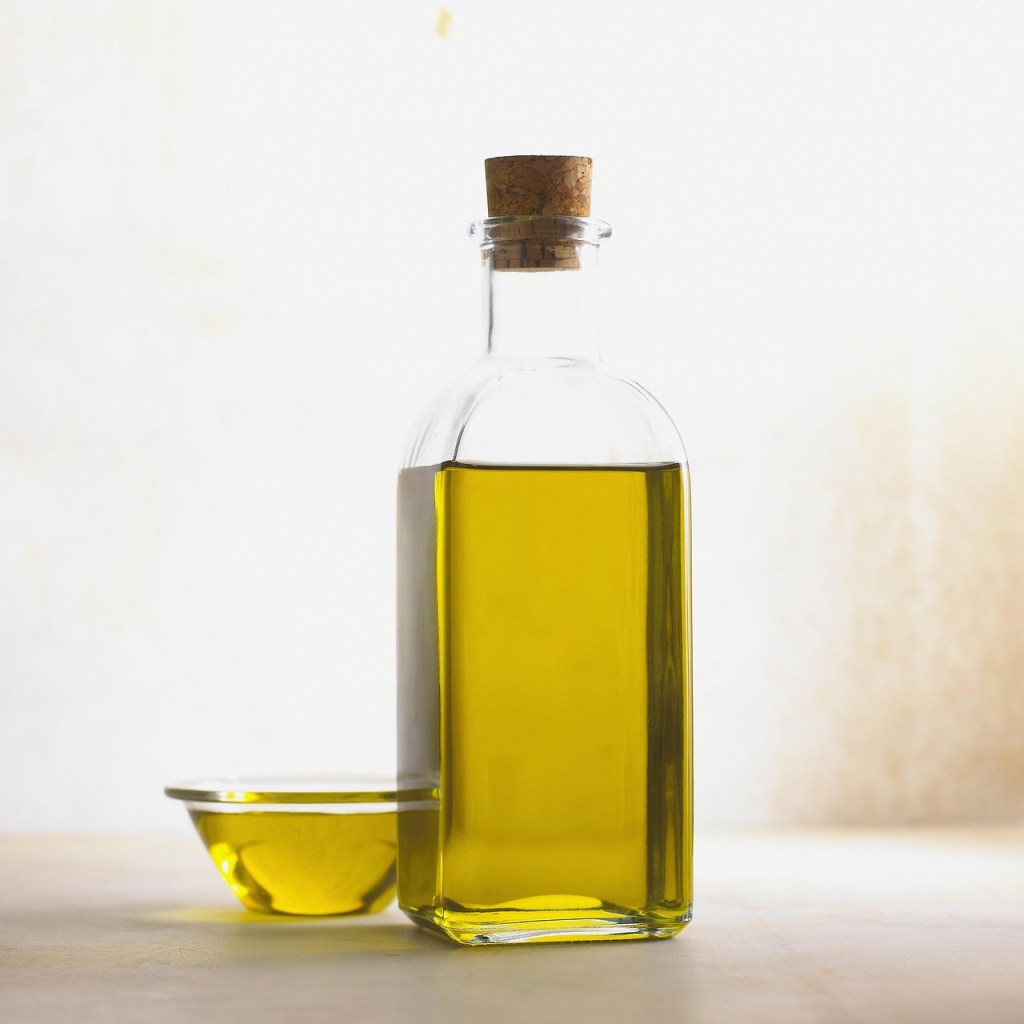
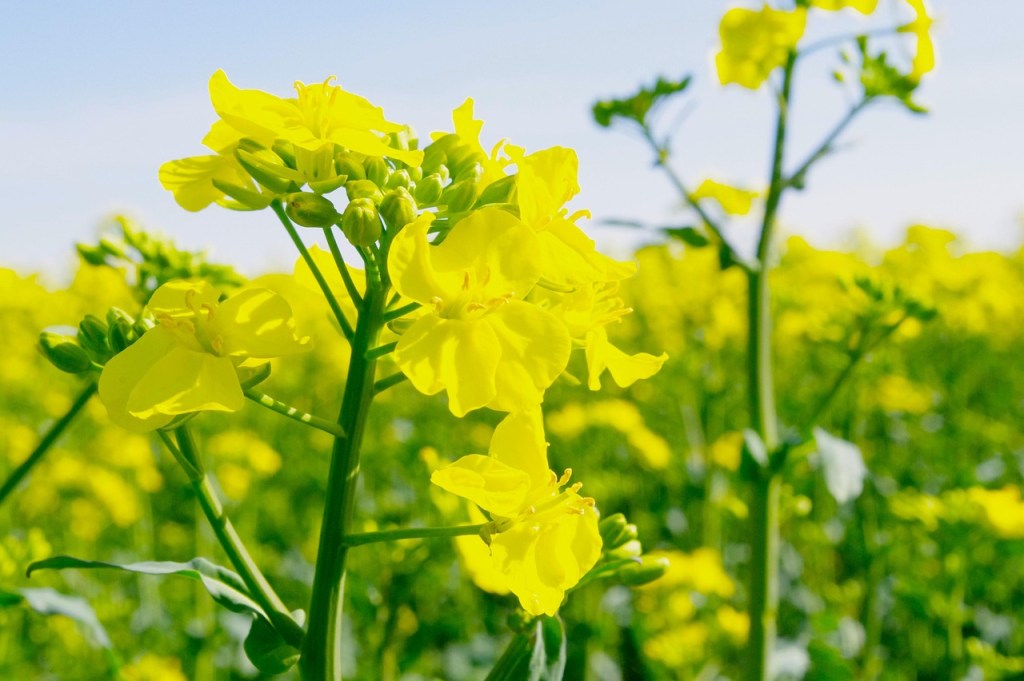
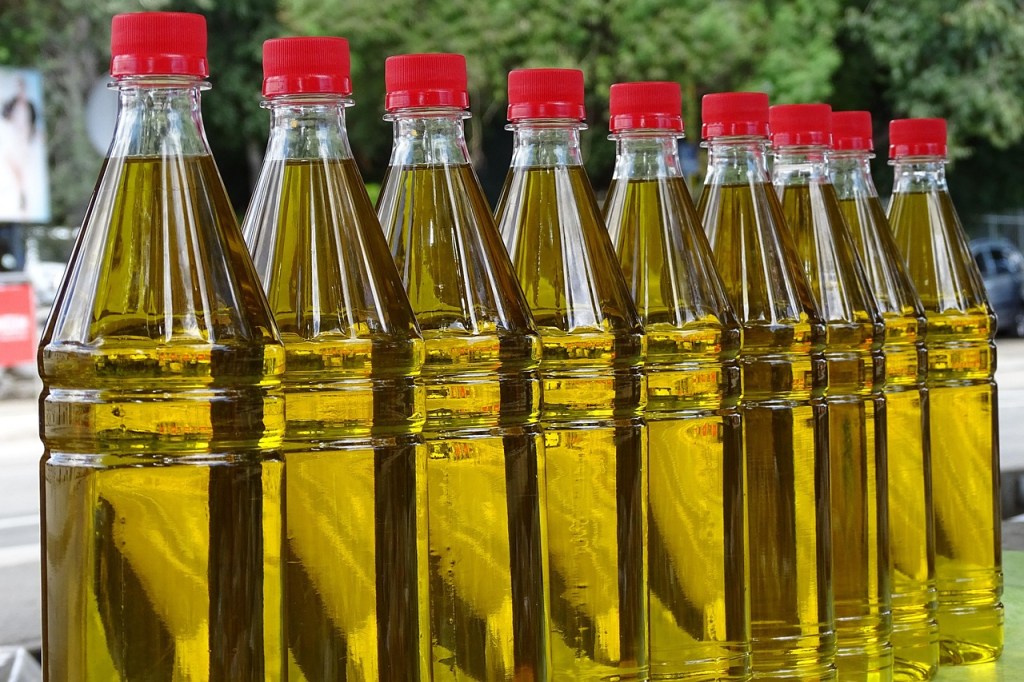


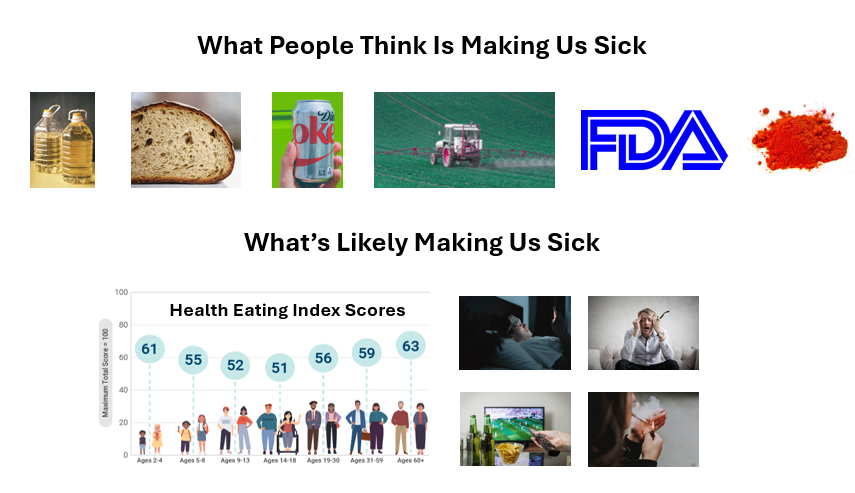
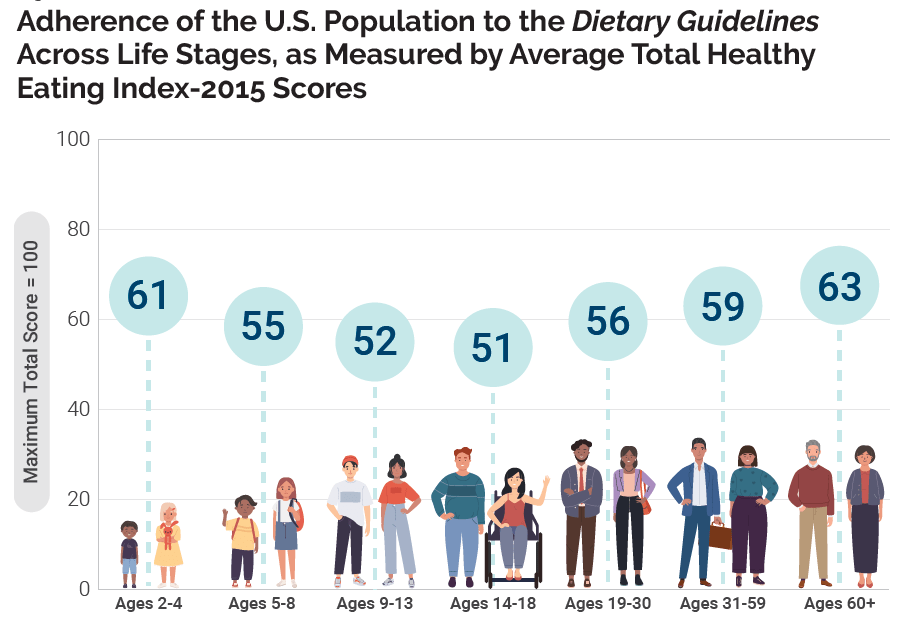

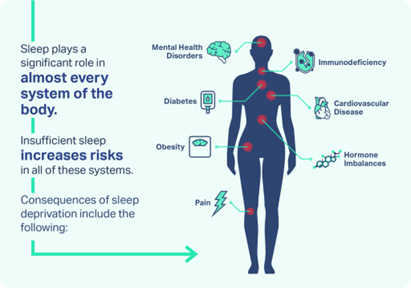
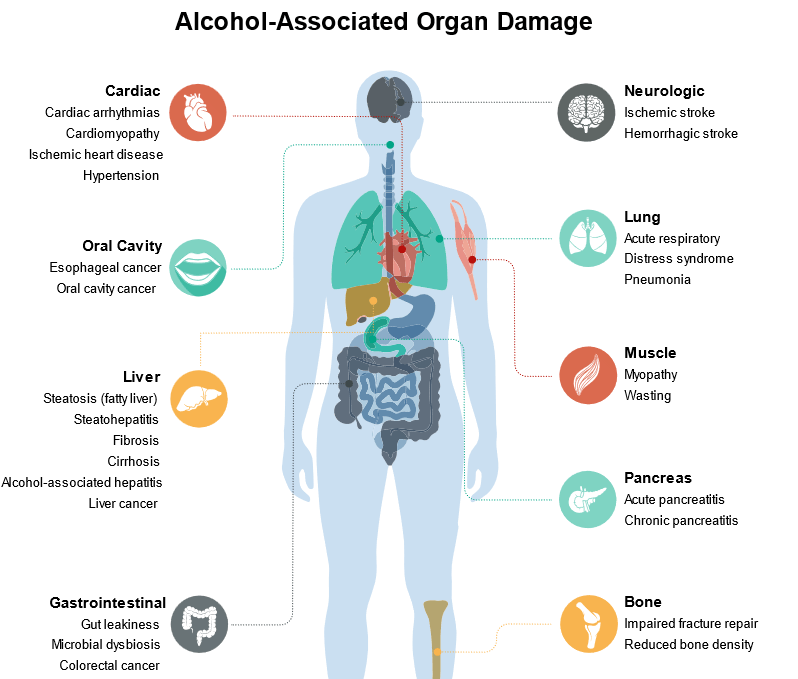
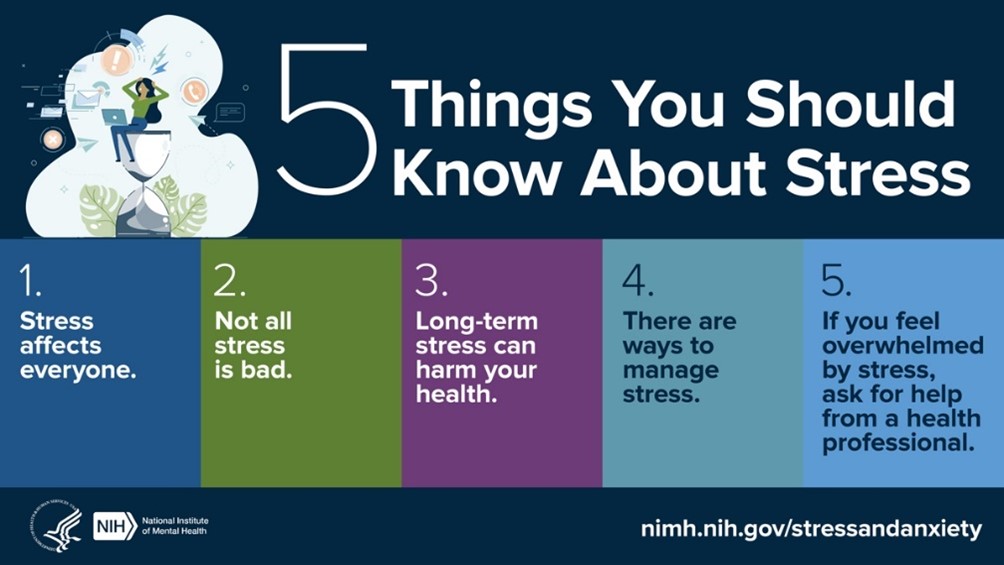

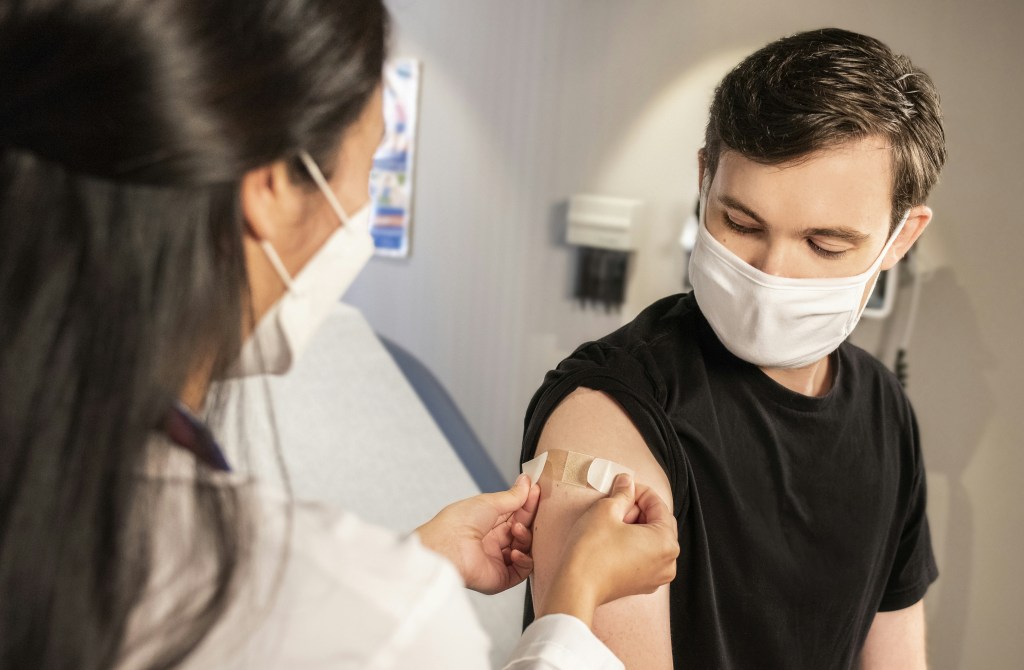

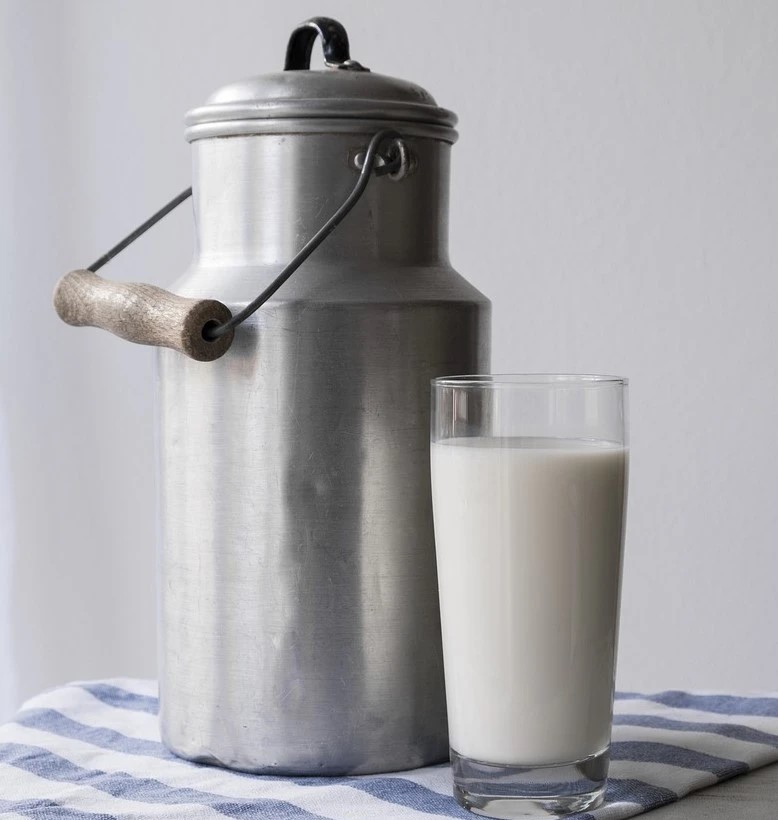


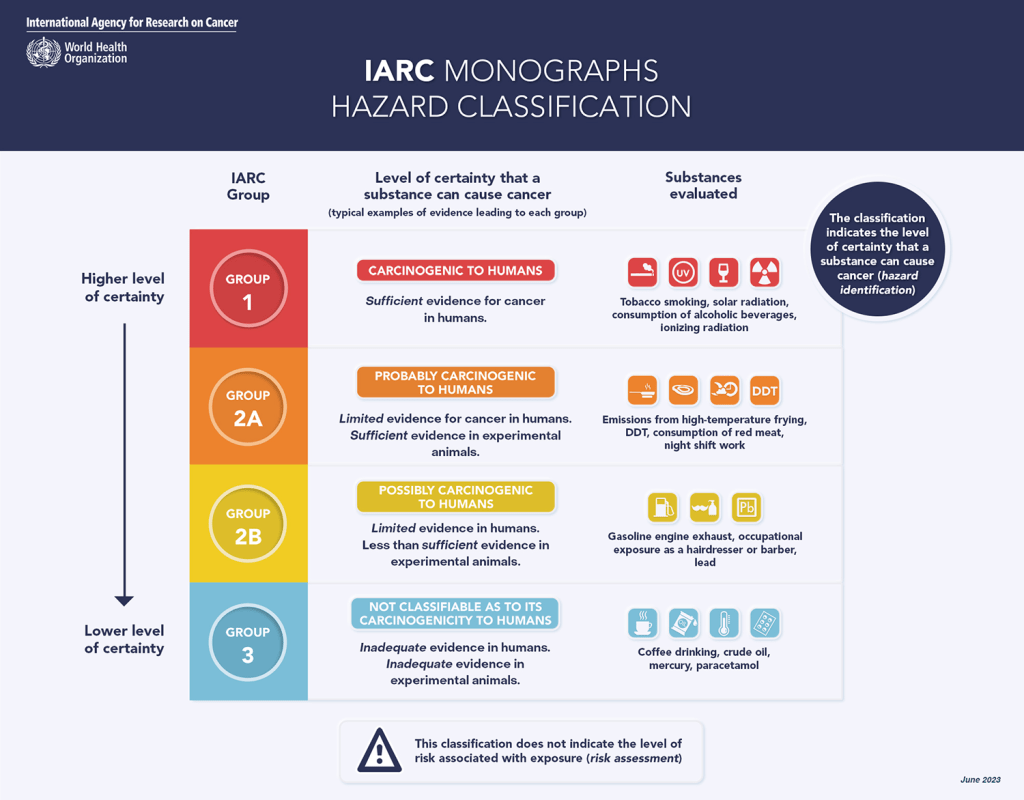



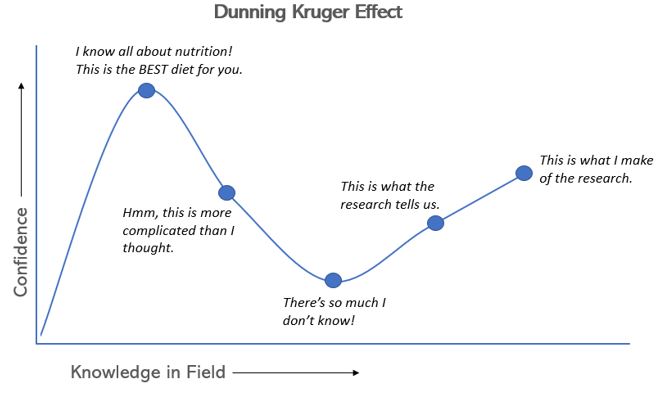

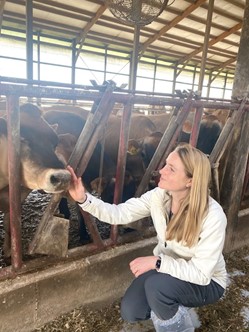




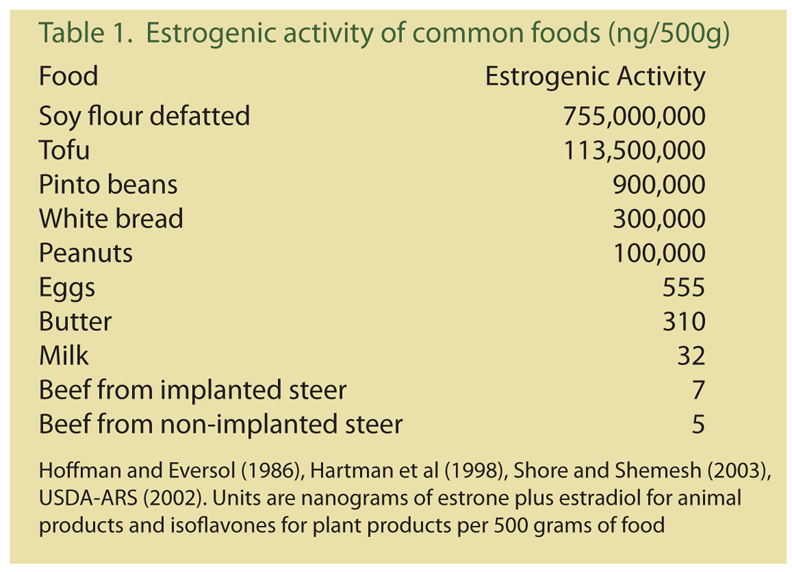



 Wellness by Megan